Lake Havasu City Shoulder Care

Shoulder Pain, Rotator Cuff & Shoulder Replacement Care

Shoulder pain can make it hard to sleep, reach overhead, lift, work, drive, play sports, or enjoy family life. Dr. Barnes evaluates rotator cuff tears, shoulder arthritis, instability, biceps problems, fractures and other shoulder conditions with a practical plan built around your diagnosis and goals.

Rotator cuff tearsShoulder arthritisInstabilityBiceps painFracturesShoulder replacement
Shoulder pain with overhead activity
Overhead pain can affect work, sports, sleep and everyday activities.
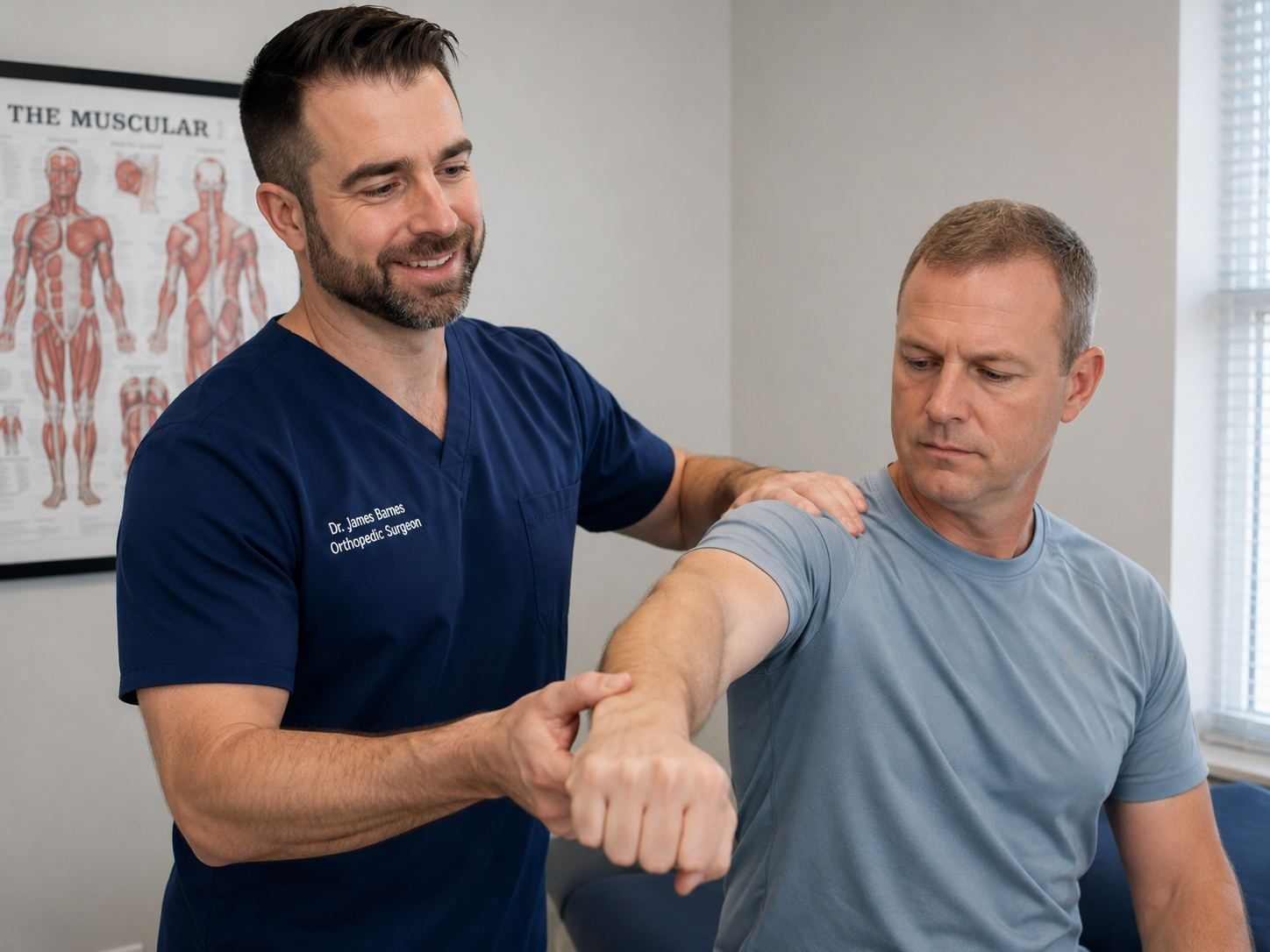
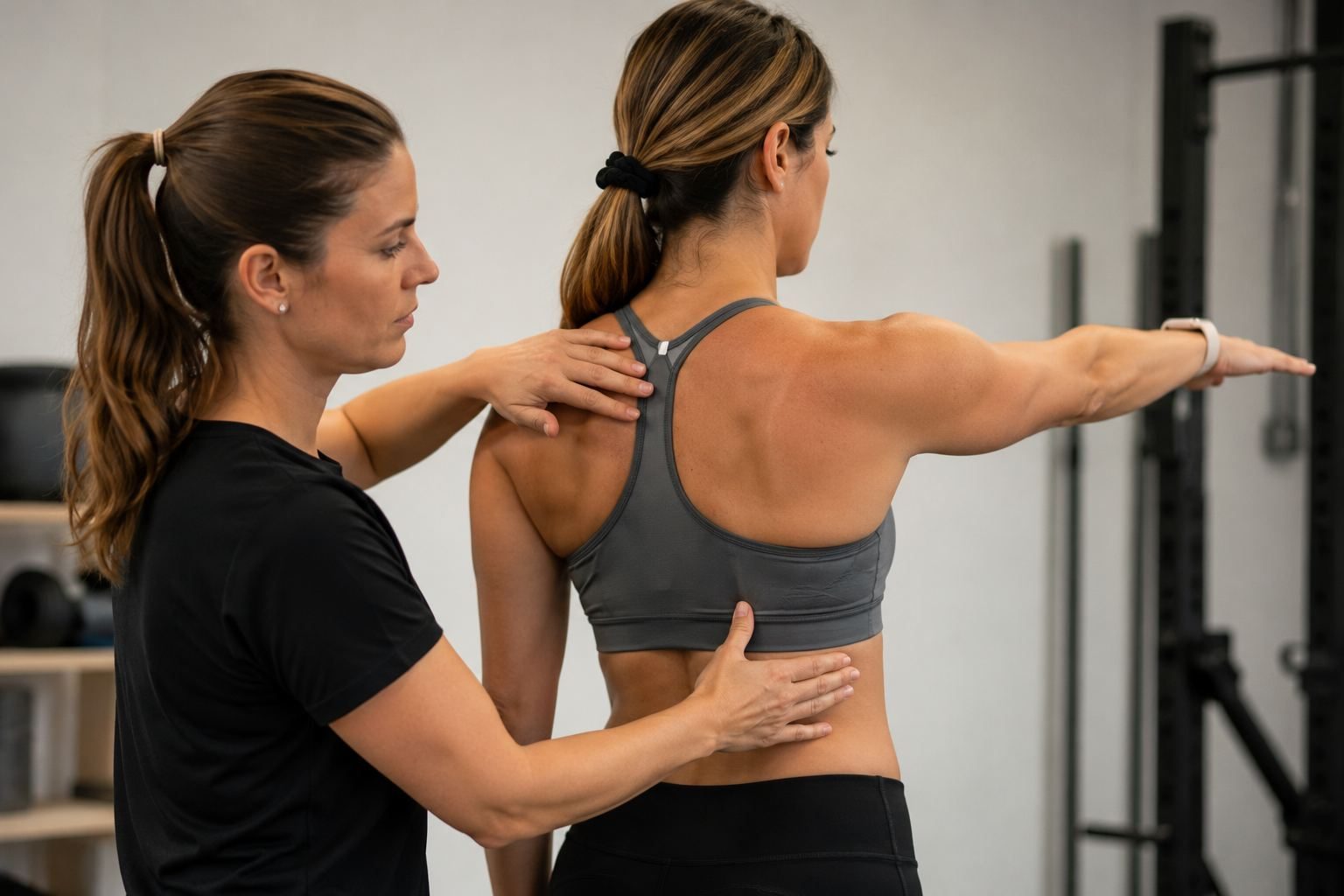
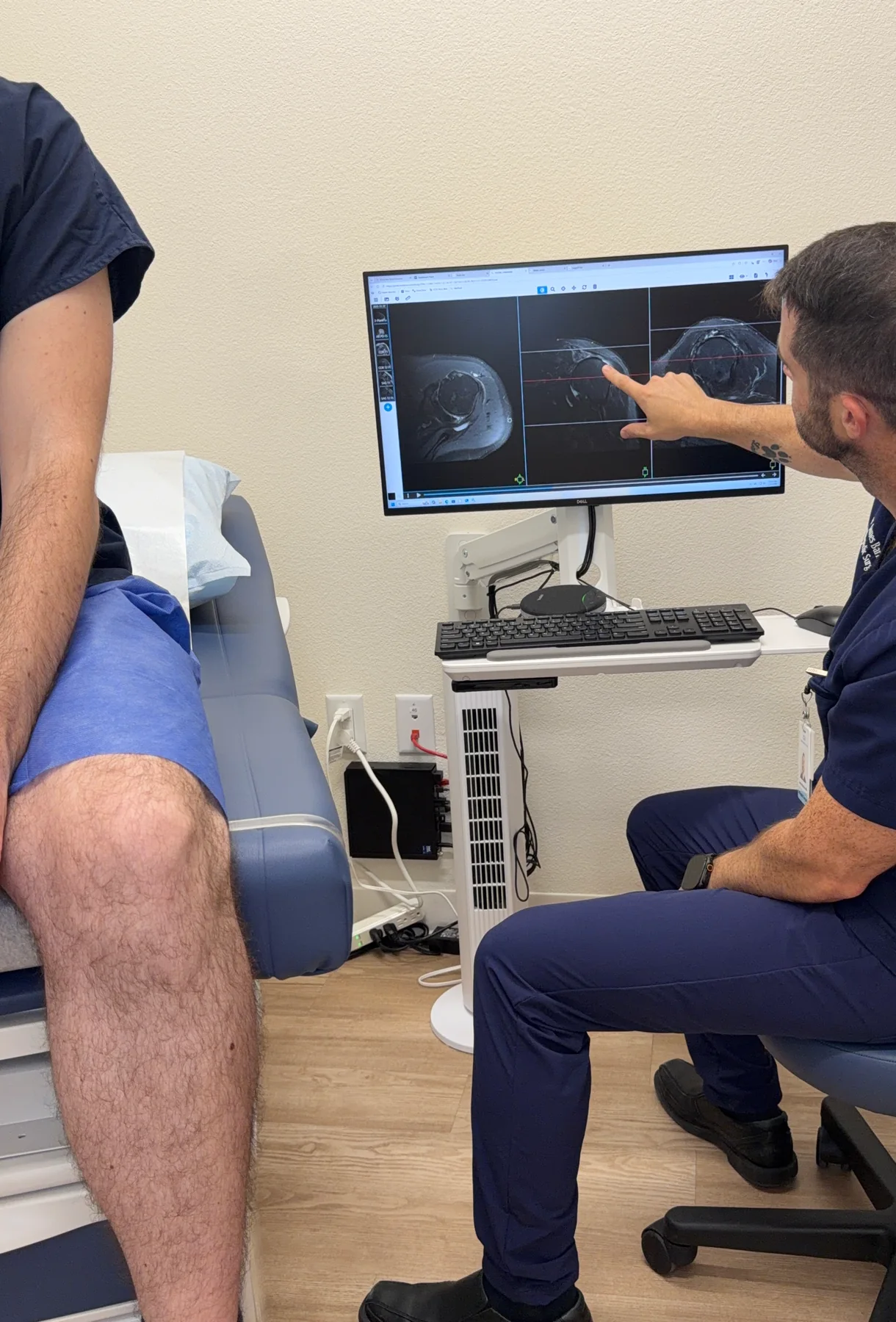
Reviewing shoulder imaging
A clear diagnosis starts with history, exam and careful imaging review.
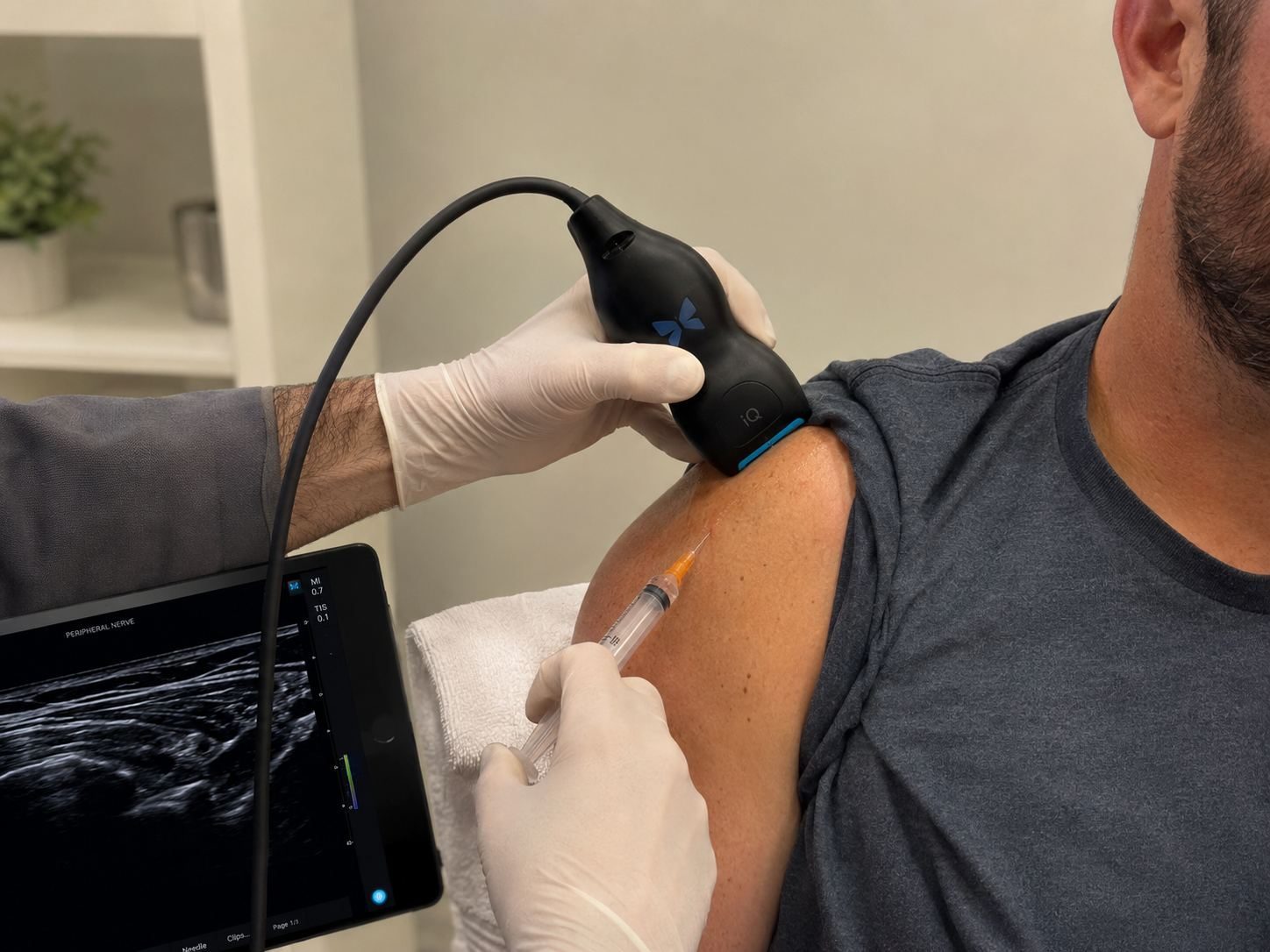
Ultrasound-guided shoulder injection
Injections, therapy, medications or surgery are matched to the actual pain generator.

Shoulder symptoms that deserve a clear orthopedic diagnosis.

Patients often know what the shoulder is stopping them from doing before they know the diagnosis. The goal is to sort out whether pain is coming from the rotator cuff, joint surface, labrum, biceps tendon, AC joint, bone, or shoulder blade mechanics.

🌙
Shoulder pain at nightPain sleeping on the shoulder or waking from pain.
⬆️
Pain reaching overheadDifficulty with cabinets, sports, work or home projects.
💪
Weakness lifting the armPossible rotator cuff, biceps or nerve-related symptoms.
🔒
Stiff shoulderLoss of motion from arthritis, inflammation or post-injury stiffness.
Clicking or catchingSymptoms that may involve the labrum, biceps tendon or joint surface.
🔁
Shoulder instabilityDislocation, slipping, apprehension or recurrent instability.
🏐
Sports shoulder injuryThrowing, racquet sports, lifting, football, volleyball and active adults.
🦴
Fall or fracture painClavicle fractures, proximal humerus fractures and AC separations.

Common shoulder conditions treated.

Soft-tissue problems, arthritis, instability and trauma can overlap. The evaluation helps identify what is actually driving pain and loss of function.

💪

Rotator Cuff Tears

Pain, weakness, difficulty lifting the arm and night pain. Tears may be traumatic or degenerative.

🔥

Impingement & Bursitis

Pain reaching overhead, reaching behind the back or sleeping on the shoulder.

🎣

Biceps Tendinitis & Rupture

Pain in the front of the shoulder, pain with lifting, or a visible “Popeye” deformity after rupture.

🦴

Shoulder Arthritis

Glenohumeral arthritis and AC joint arthritis can cause stiffness, pain and loss of function.

🔁

Labral Tears & Instability

Bankart tears, bony Bankart injuries, recurrent dislocations and feelings of slipping or apprehension.

🏈

AC Separations & AC Pain

AC joint arthritis, separations and pain at the top of the shoulder after injury or overuse.

🩻

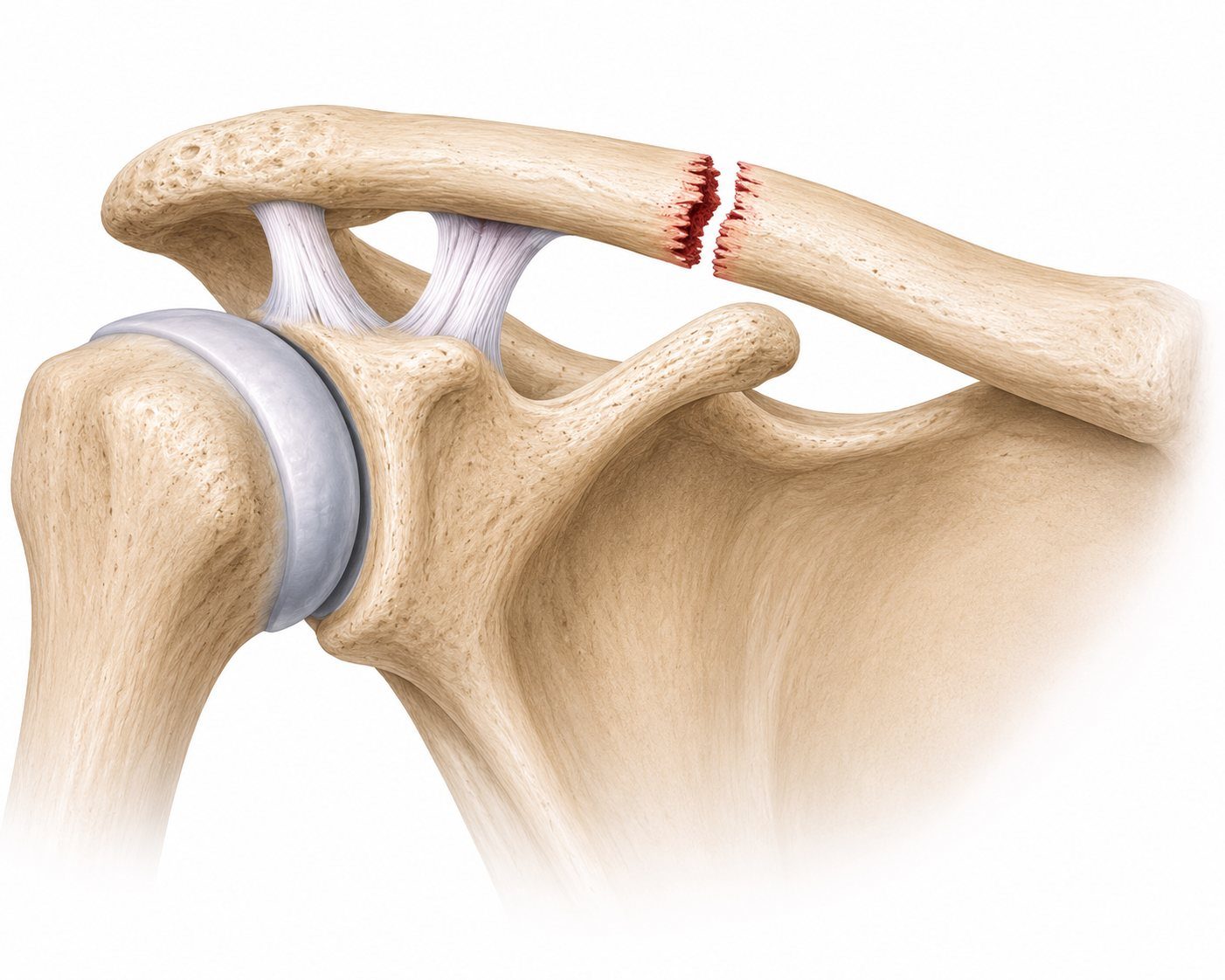
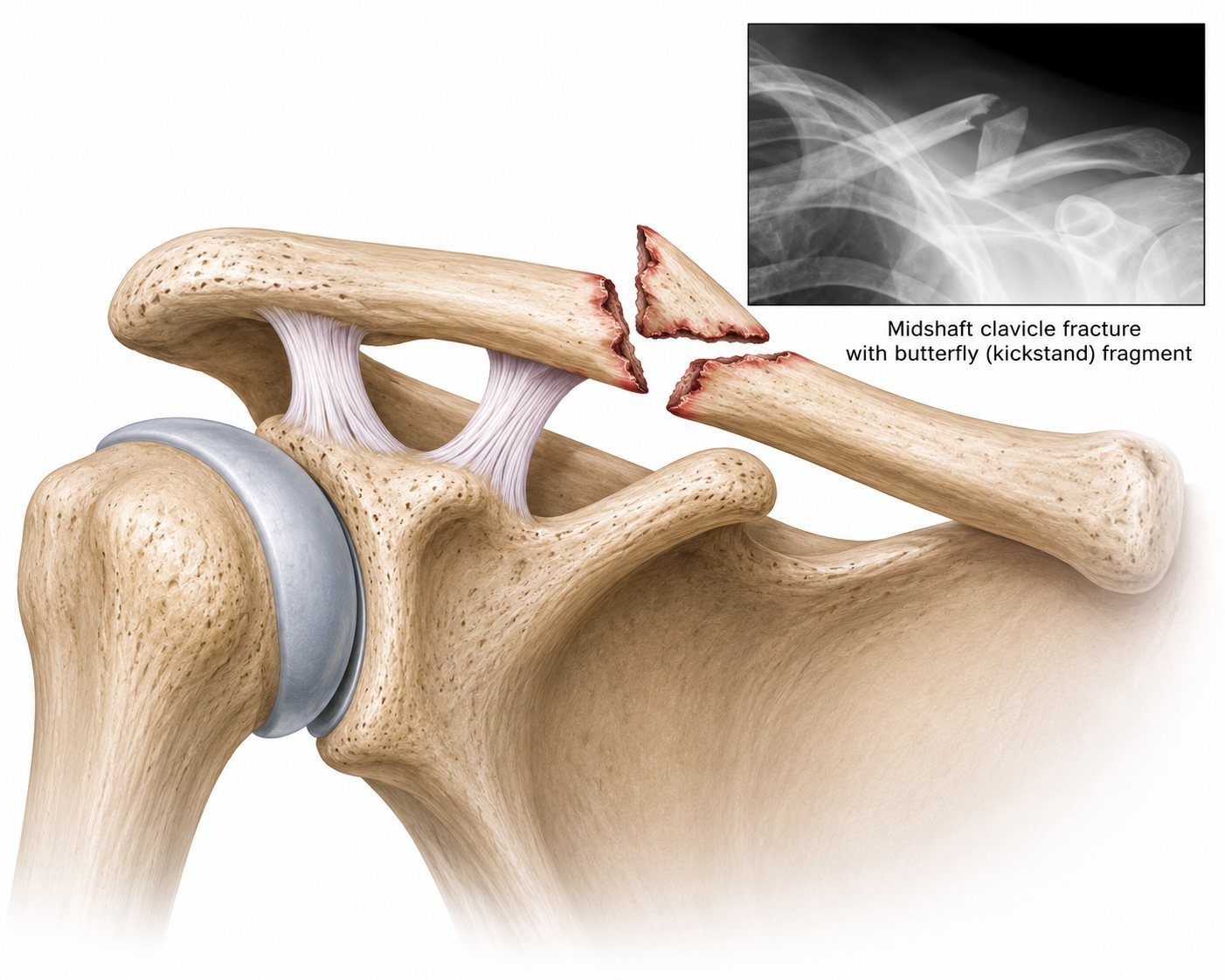
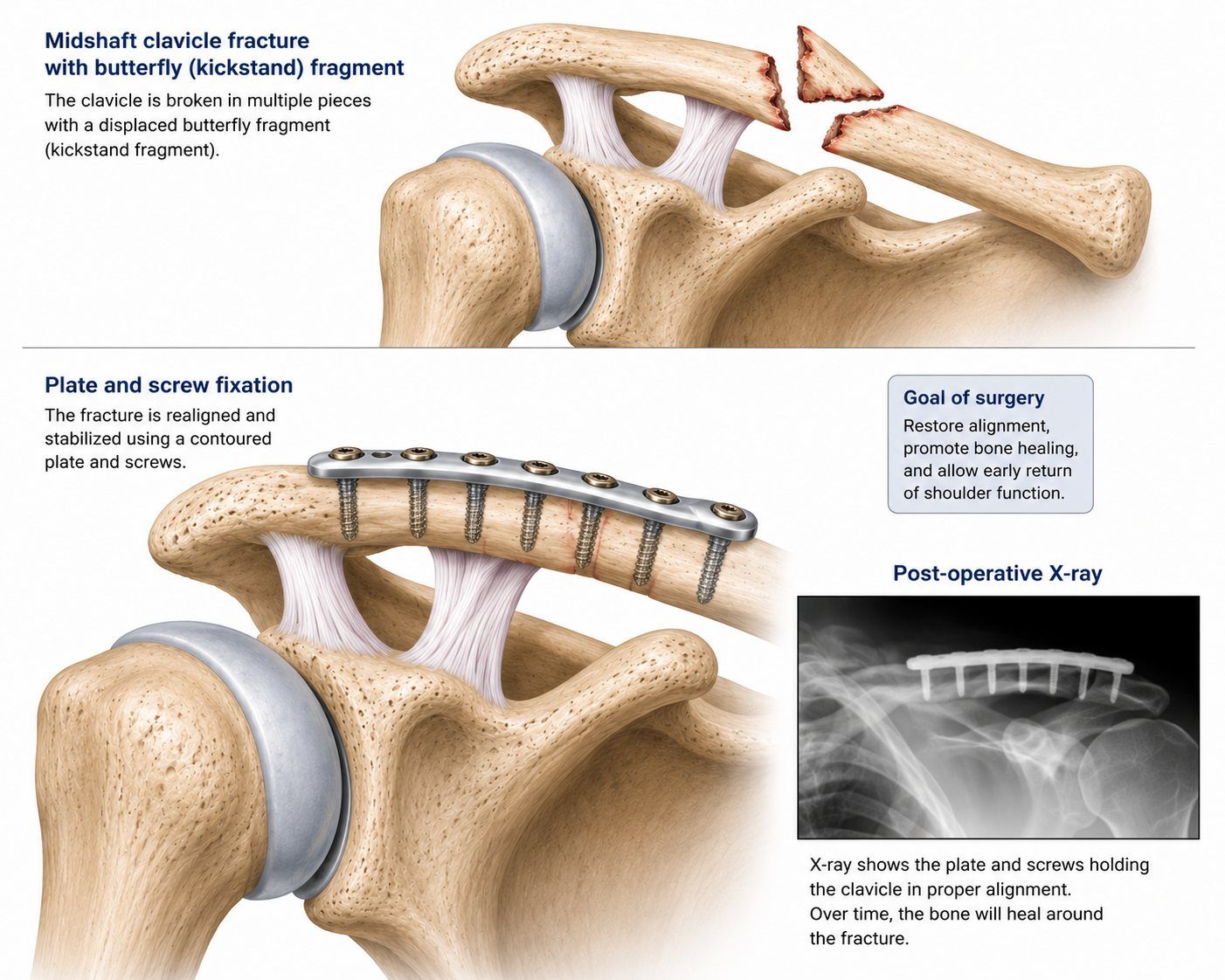
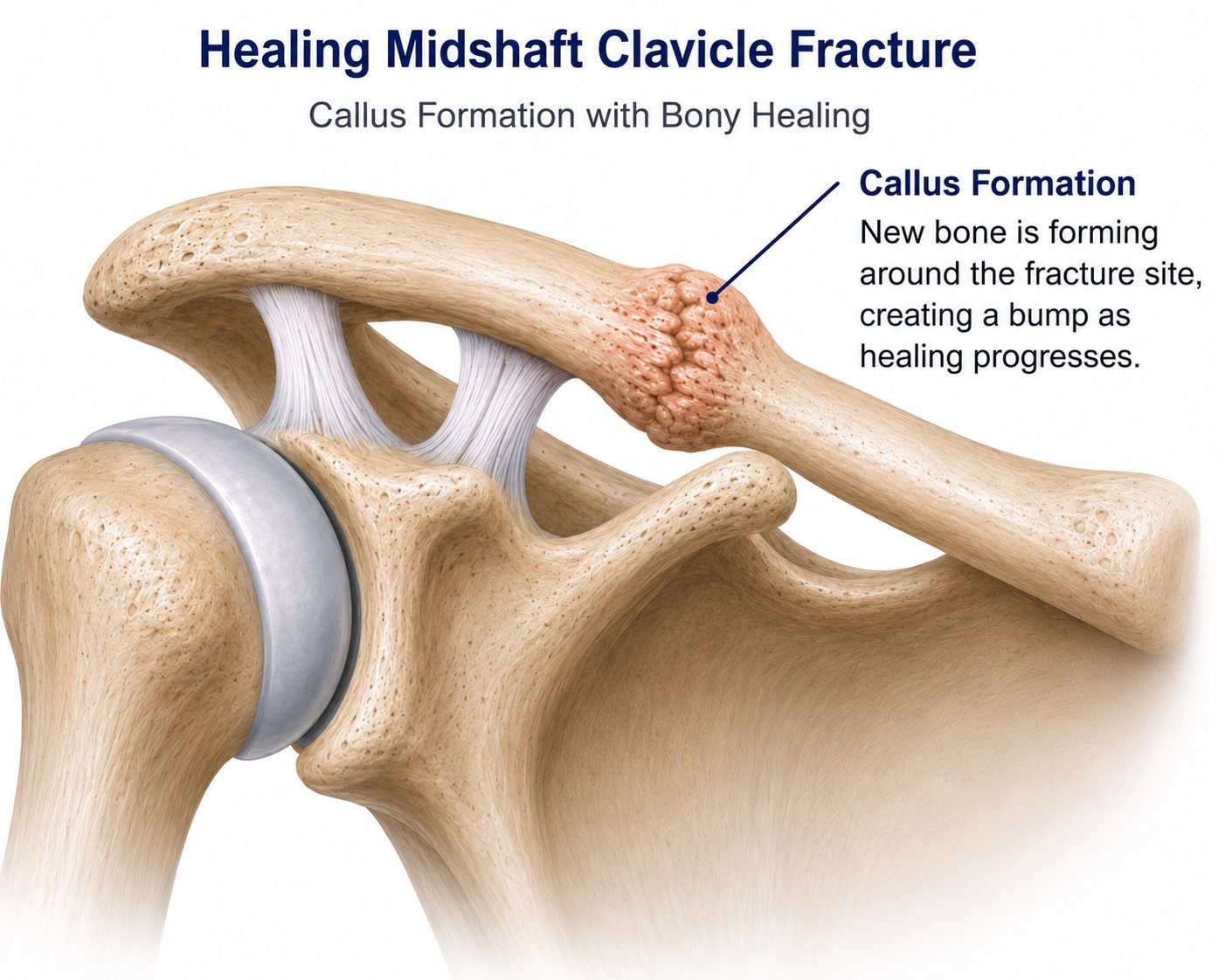
Clavicle Fractures

Collarbone fractures from falls, sports injuries, cycling crashes and other trauma.

🦾

Proximal Humerus Fractures

Fractures near the ball of the shoulder, often after a fall or higher-energy injury.

🎯

Scapular Dyskinesia

Abnormal shoulder blade mechanics that can contribute to pain, weakness and performance problems.

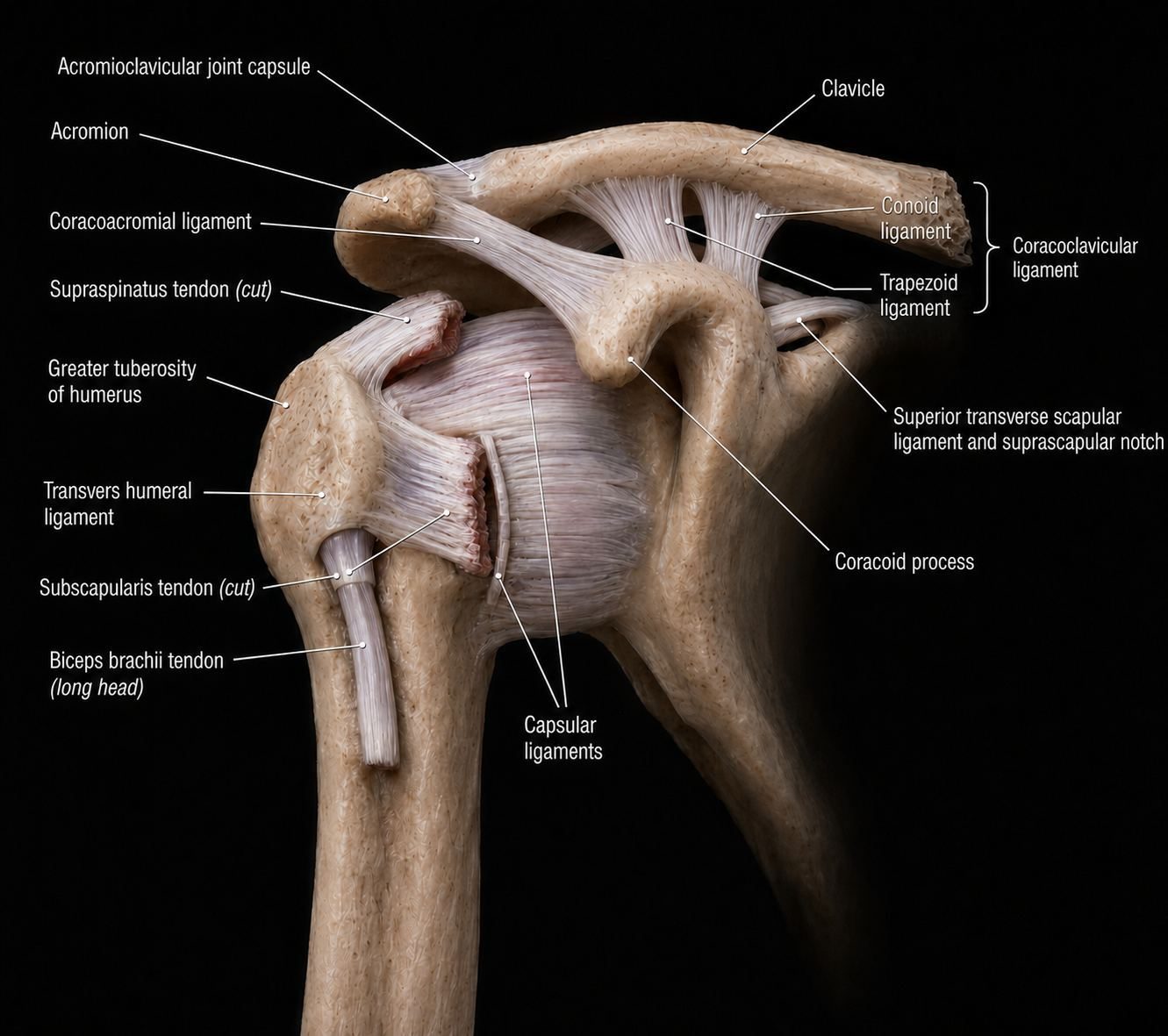
Labeled shoulder anatomy including rotator cuff, labrum, biceps tendon, AC joint and clavicle
Understanding the shoulder

A mobile joint with several common pain generators.

The shoulder works through the coordinated motion of the ball-and-socket joint, rotator cuff, labrum, biceps tendon, AC joint and shoulder blade. The anatomy matters because the right treatment depends on the actual source of pain.

💪

Rotator Cuff

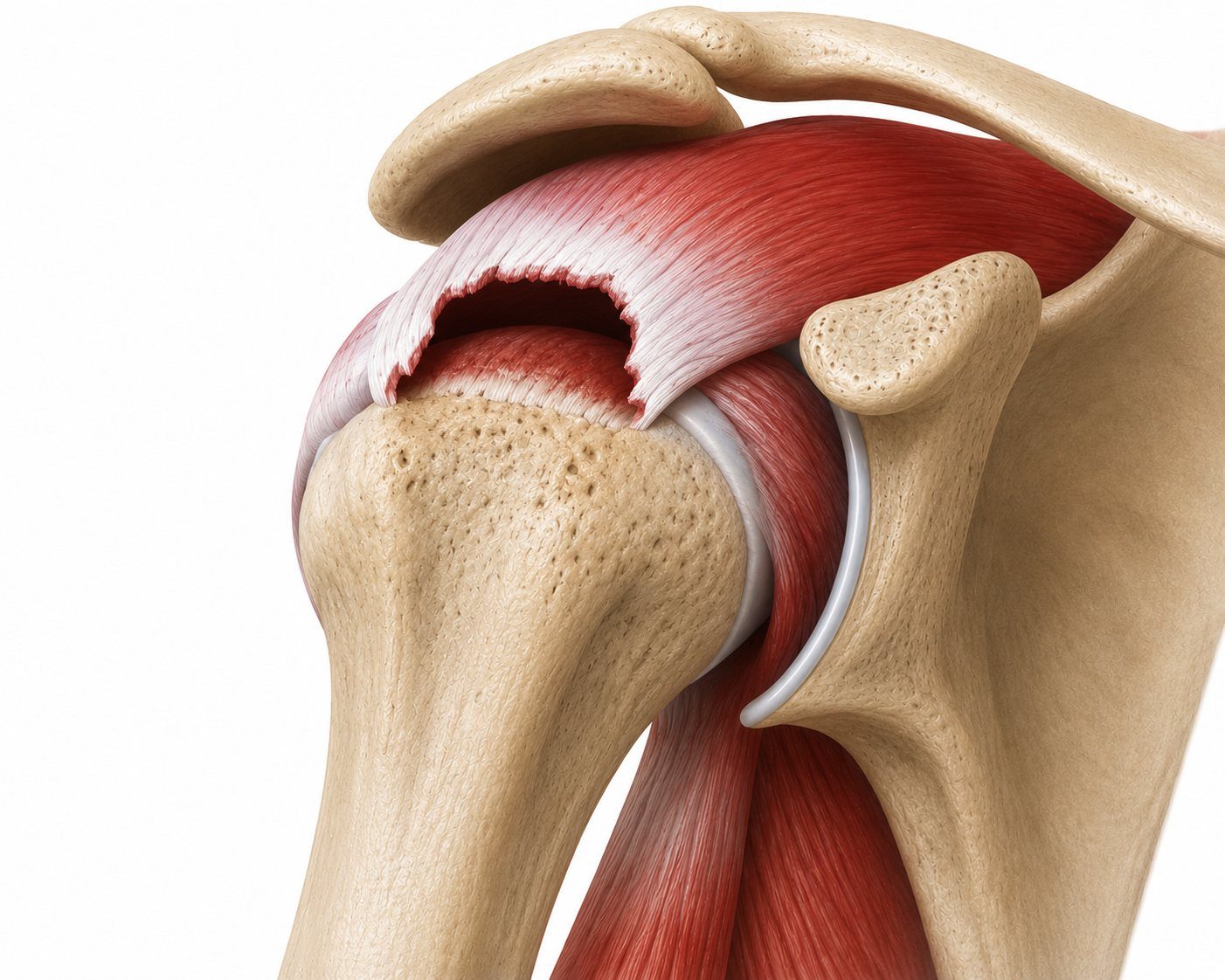
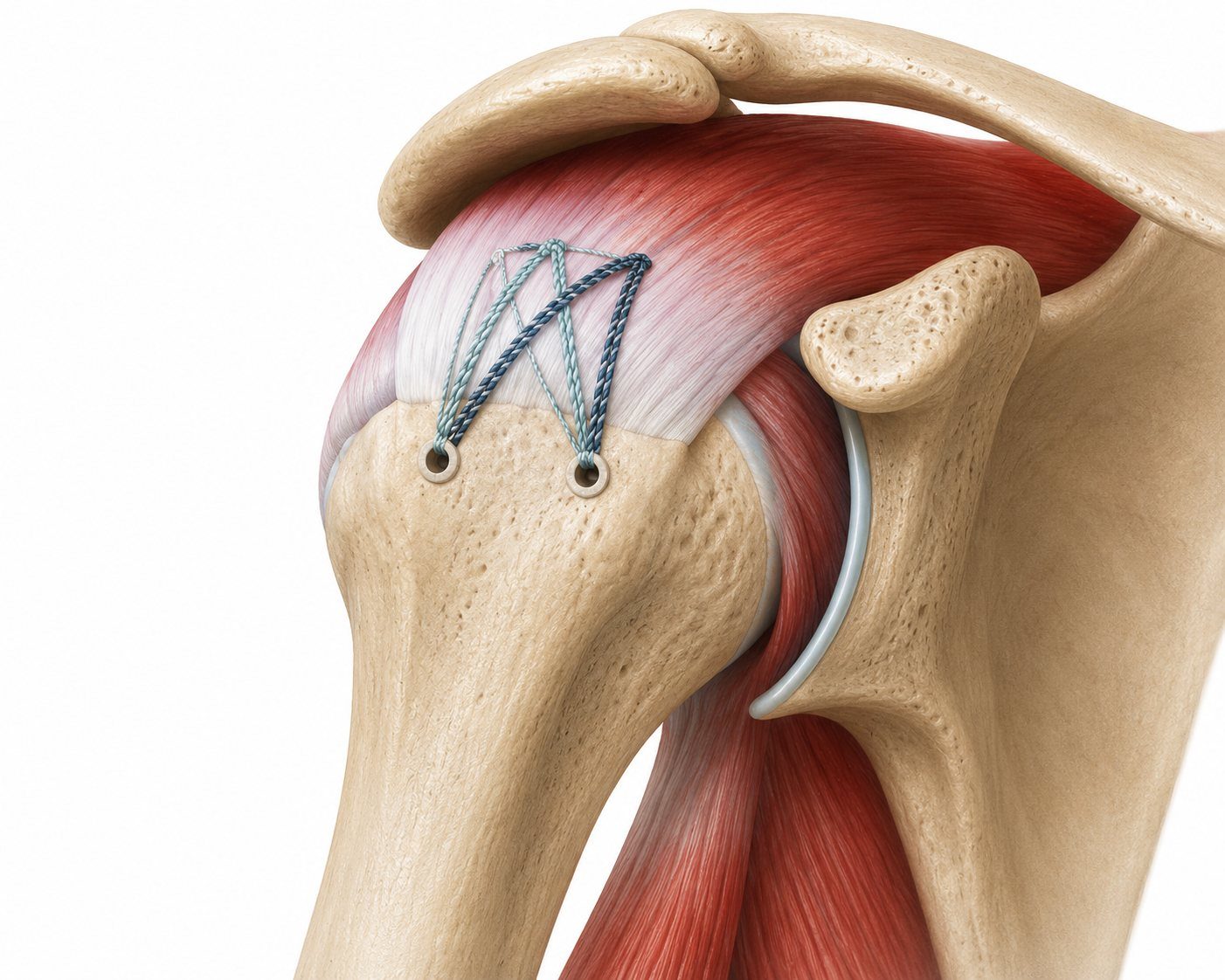
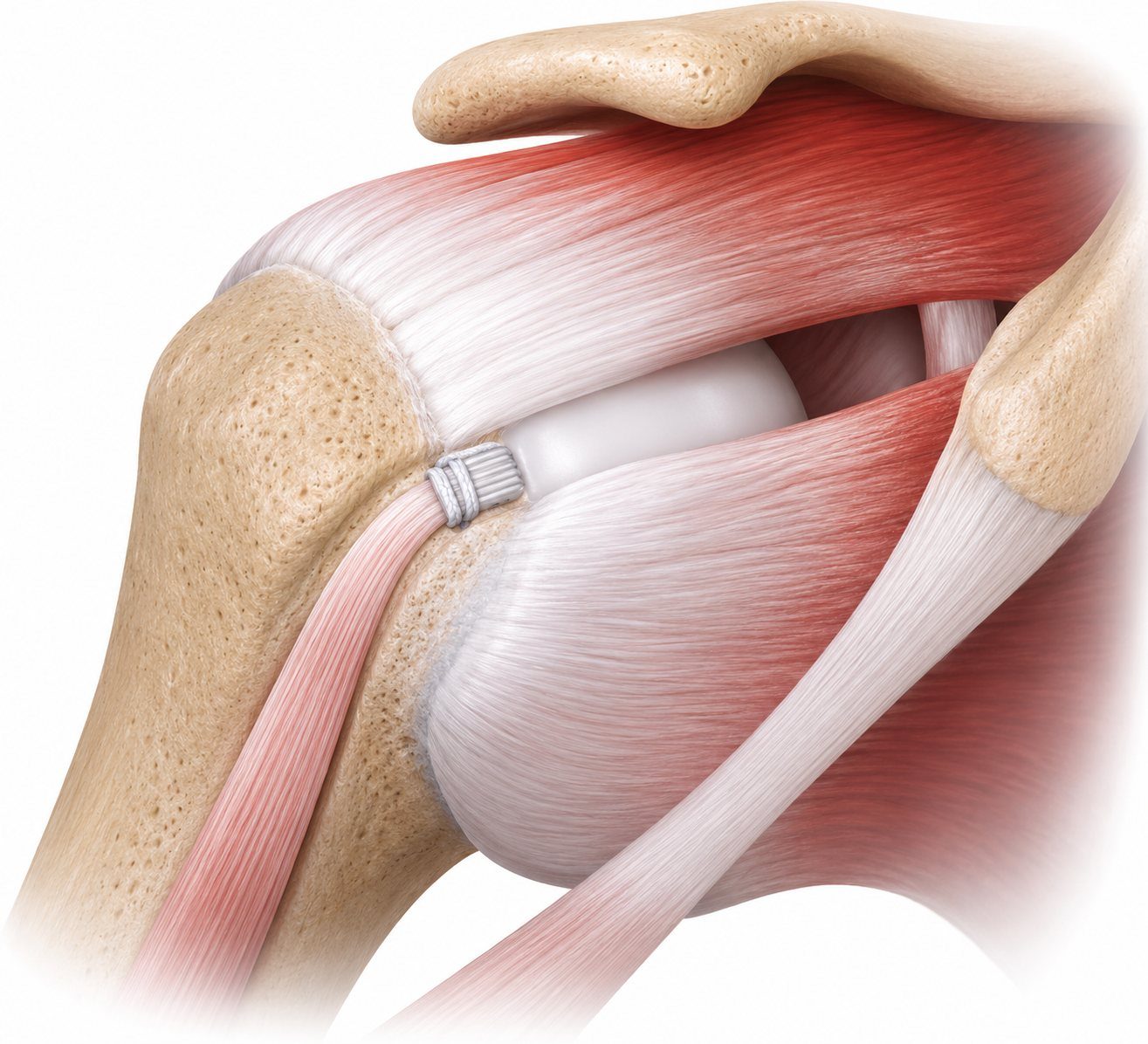
The rotator cuff helps lift, rotate and stabilize the shoulder. Tears can cause night pain, weakness, overhead pain and difficulty lifting away from the body.

  • Commonly evaluated with exam, X-rays and MRI when needed
  • Treatment may include therapy, injections or repair depending on the tear
🔁

Labrum

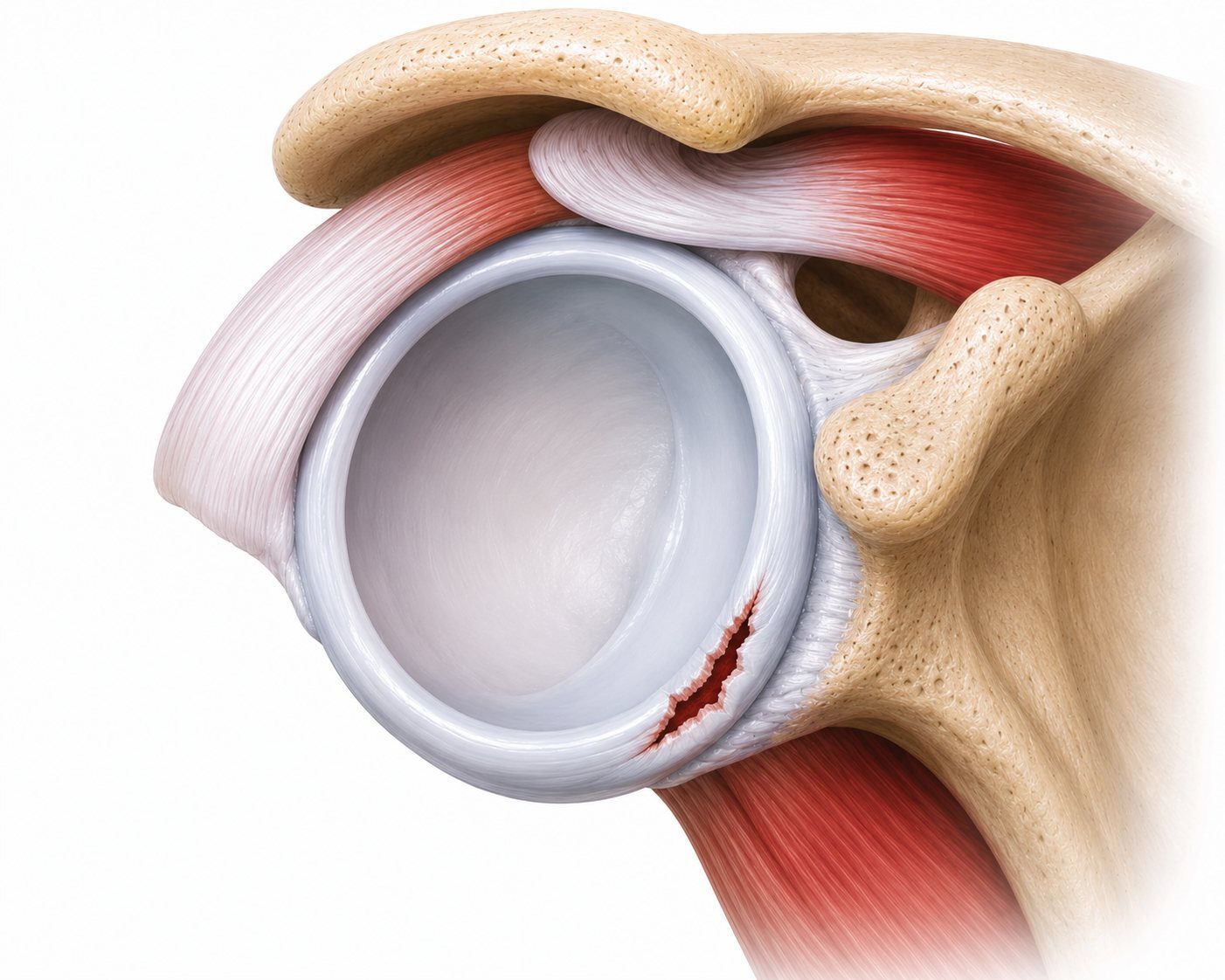
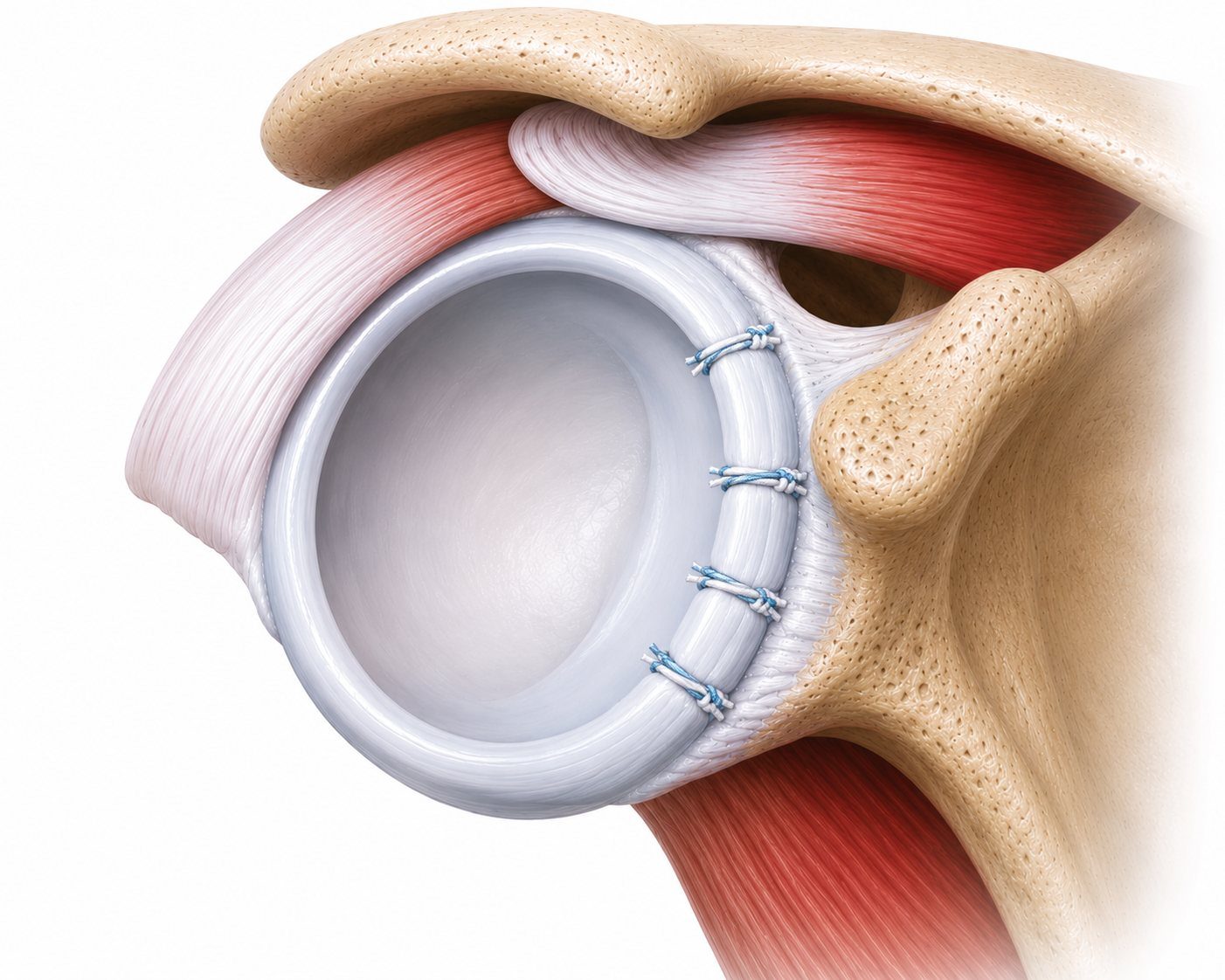
The labrum is a cartilage rim around the socket. It can tear with dislocation, instability, traction injuries or overhead sports.

  • Can cause slipping, apprehension, catching or deep shoulder pain
  • Repair is considered for selected instability patterns
🎣

Biceps Tendon

The long head of the biceps can become inflamed, unstable or painful where it enters the shoulder joint.

  • Often causes anterior shoulder pain
  • May be treated nonsurgically or with tenodesis in selected cases
🏈

AC Joint

The AC joint sits on top of the shoulder where the clavicle meets the acromion. Arthritis or separation can cause pain directly over the top of the shoulder.

  • Often painful with cross-body motion
  • Can be treated with injections, therapy or selected surgery
🦴

Glenohumeral Joint

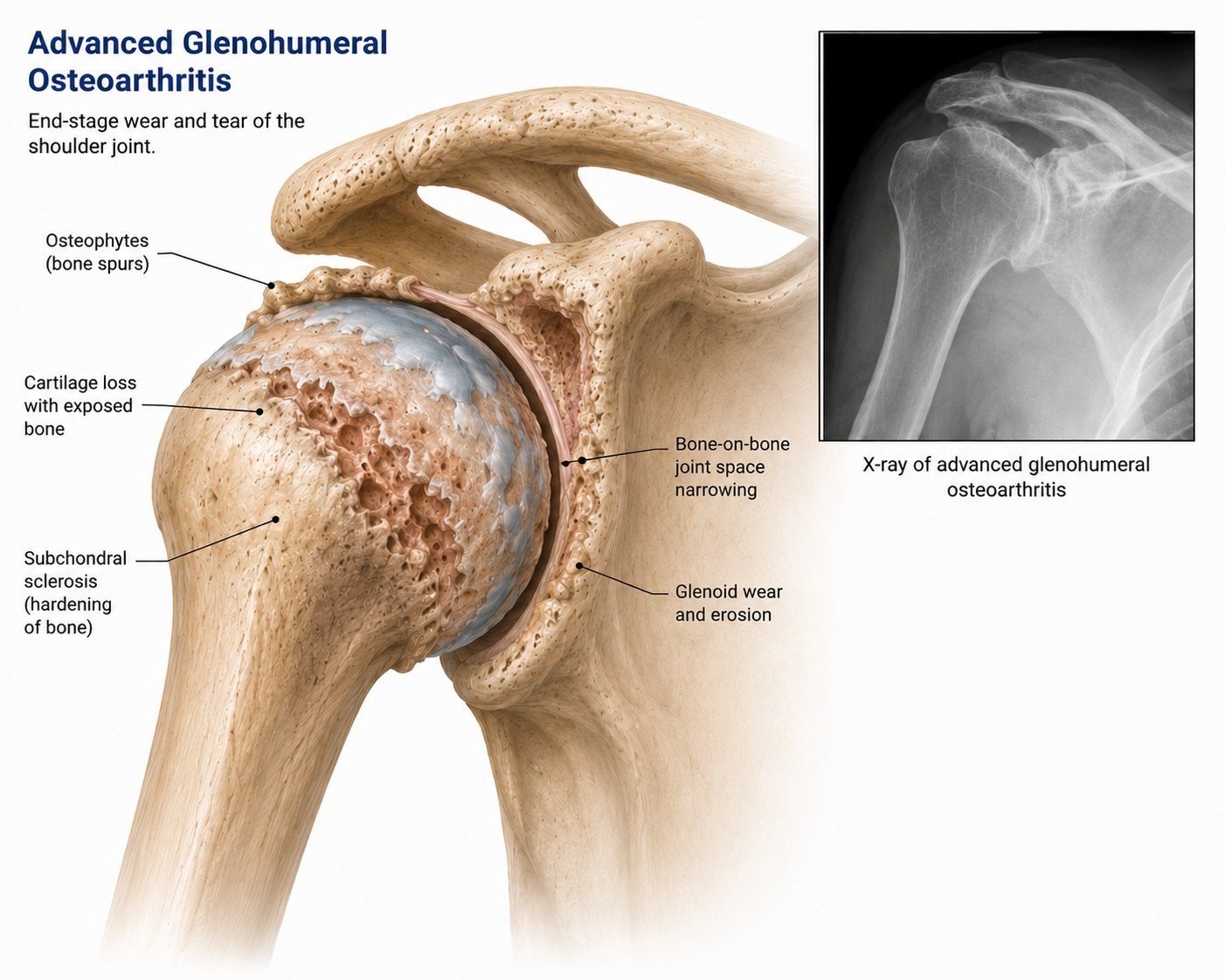
The main ball-and-socket joint can develop arthritis, stiffness, grinding and loss of motion when cartilage wears down.

  • X-rays usually show joint-space loss or bone spurs
  • Replacement may be considered when nonoperative care is no longer enough
🎯

Scapular Mechanics

The shoulder blade helps position the socket. Poor scapular mechanics can contribute to pain, impingement symptoms and performance problems.

  • Often addressed with focused therapy
  • Important for overhead athletes and active adults
Treatment options

Start with the right diagnosis, then build the plan.

Most shoulder problems deserve a thoughtful discussion of both nonsurgical and surgical options. The right plan depends on the diagnosis, severity, imaging findings, activity goals, age, health and response to prior care.

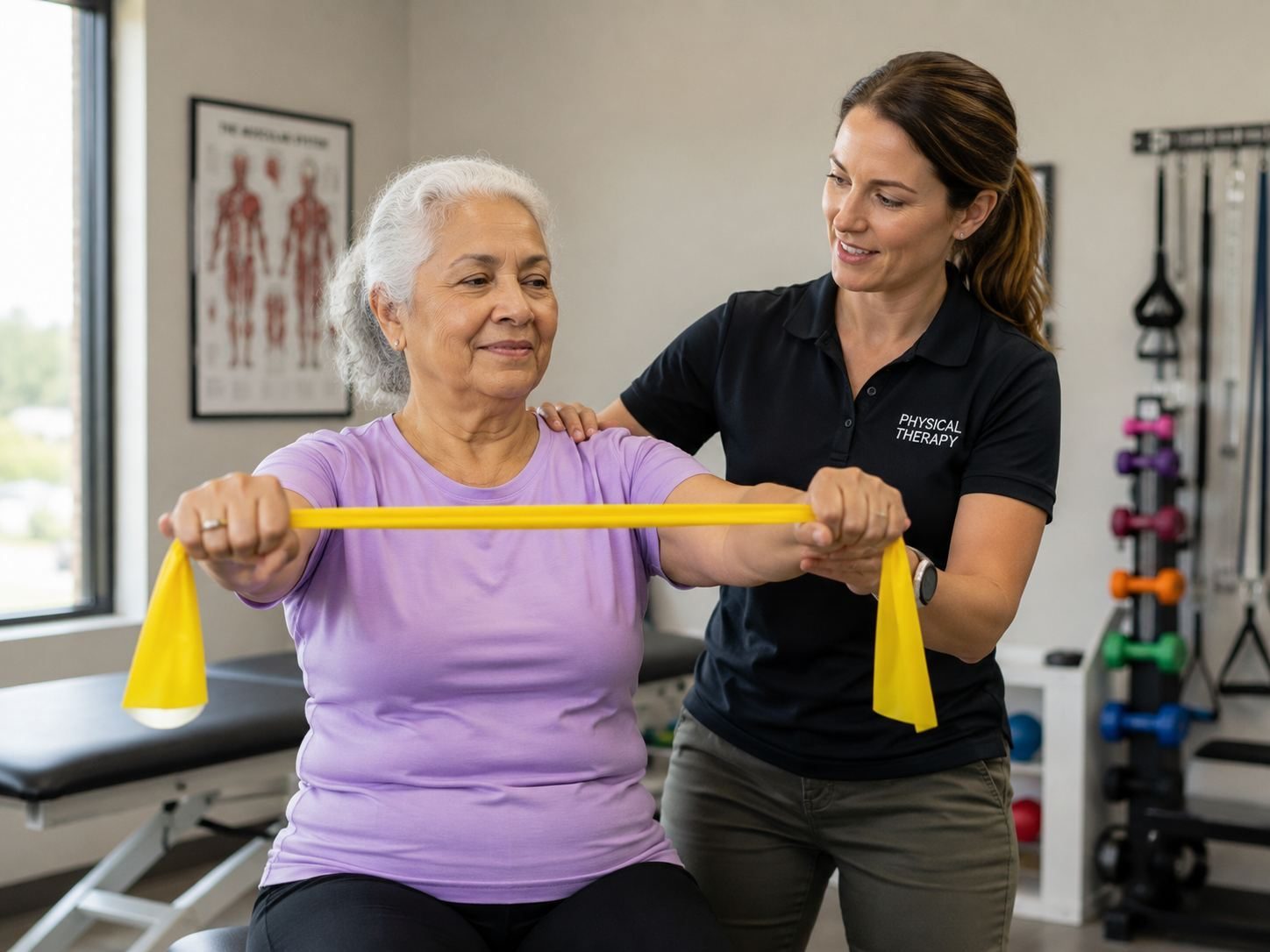
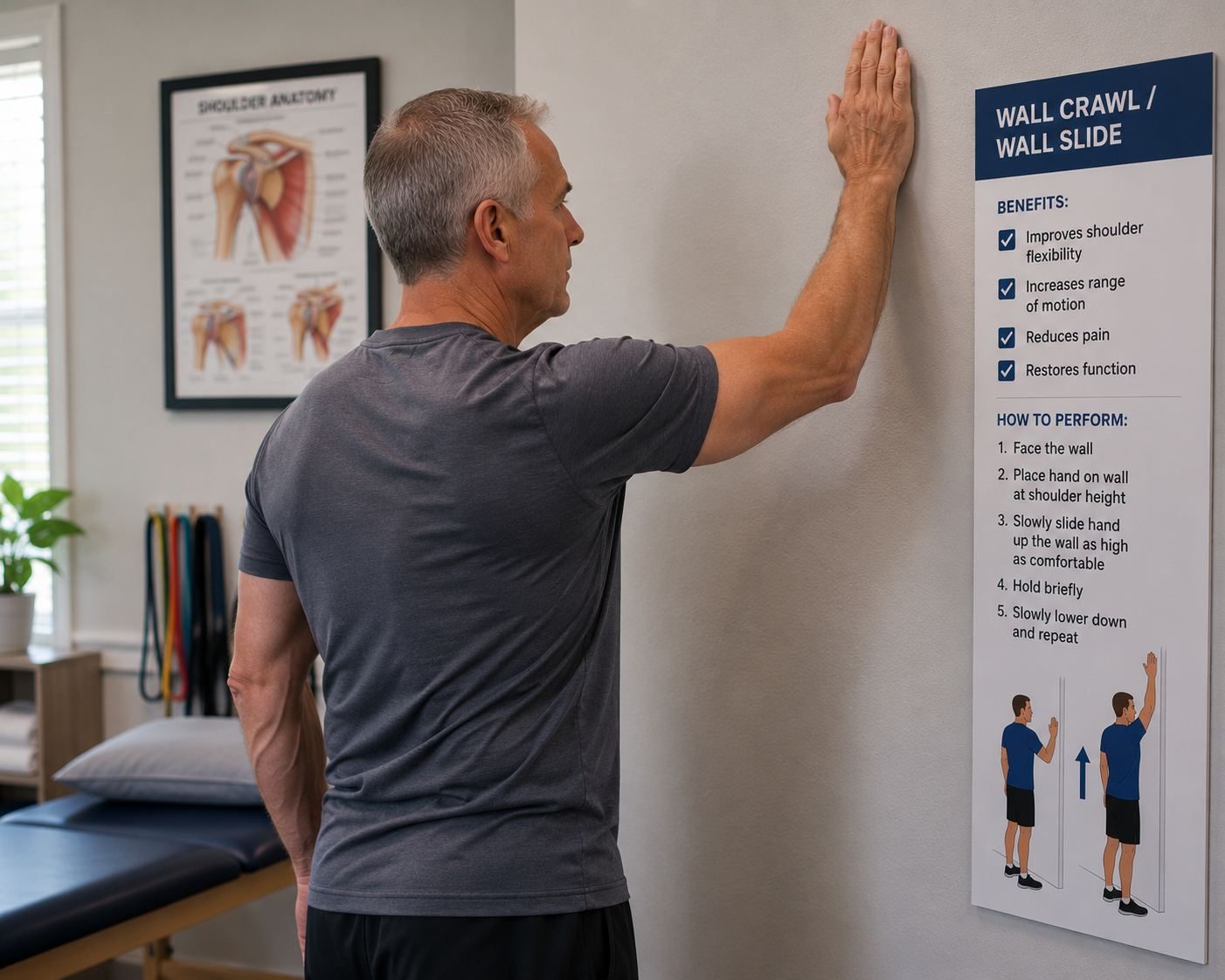
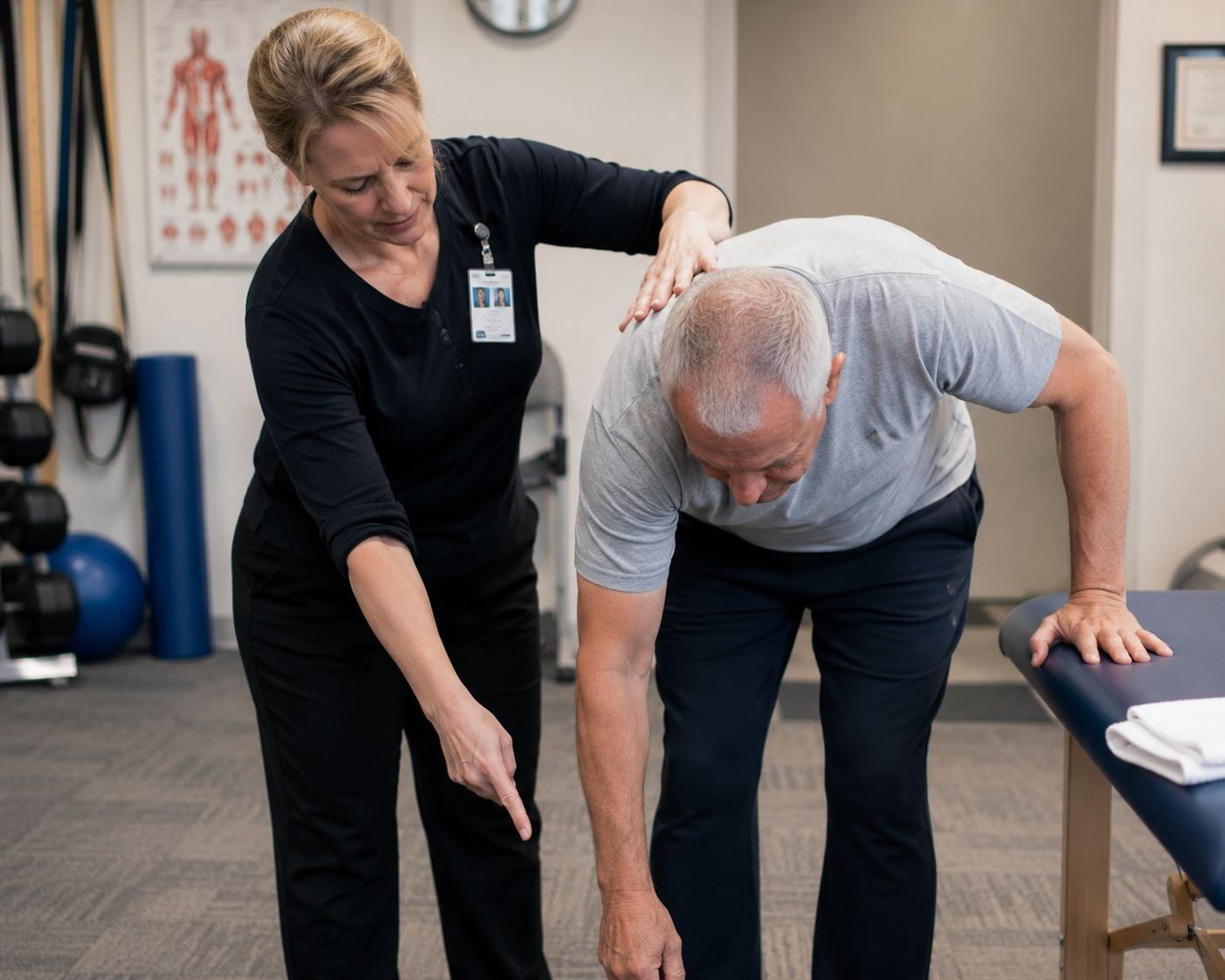
Activity modification, therapy and home exercise plans
Anti-inflammatory care, cortisone injections, ultrasound-guided injections and orthobiologics when appropriate
Arthroscopic shoulder procedures, fracture care and shoulder replacement when surgery is indicated
Ultrasound-guided shoulder injection as part of shoulder pain treatment

Shoulder procedures.

Procedure recommendations are individualized after exam, imaging review and a discussion of goals, nonsurgical alternatives and recovery expectations. These procedure cards pair each topic with the most relevant shoulder images and advance automatically.

Surgical risks

All surgery has risk, including pain, bleeding, infection, damage to surrounding tissues, need for additional procedures, bone failure, implant failure, soft-tissue failure, blood clot, heart attack, stroke and death. These risks are low, but they are not zero.

Why patients choose Dr. Barnes for shoulder care.

Shoulder treatment is not just about identifying a diagnosis. It is about matching the least invasive effective treatment to your goals, activity level and recovery expectations.

🎯

Fellowship-trained sports medicine shoulder care

Advanced training in sports medicine, arthroscopy and shoulder injuries helps guide care for athletes, active adults and complex shoulder problems.

🔬

Minimally invasive arthroscopic techniques

When surgery is appropriate, many shoulder procedures can be performed arthroscopically through small incisions.

🩺

Nonsurgical care when appropriate

Therapy, activity modification, medications, cortisone injections, ultrasound-guided injections and orthobiologics may be part of a practical plan.

📋

Clear recovery expectations

Patients should understand what the diagnosis means, what recovery usually involves, and when return to work, sport, sleep and daily activity is realistic.

Shoulder FAQ.

Common questions from patients with shoulder pain, injuries, arthritis and instability.

Do I need an MRI?

Sometimes. X-rays, exam findings and symptoms guide whether MRI is useful. MRI can be helpful for suspected rotator cuff tears, labral injuries, occult fractures and selected soft-tissue problems.

Will I need surgery?

Not always. Many shoulder problems improve with therapy, activity modification, medications, injections or time. Surgery is considered when the diagnosis, symptoms, imaging and goals support it.

What causes shoulder pain at night?

Night pain may occur with rotator cuff problems, bursitis, arthritis, stiffness or inflammation. A focused exam and imaging review can help separate these causes.

Can injections help shoulder pain?

Cortisone injections, ultrasound-guided injections and orthobiologics may be considered for selected patients depending on diagnosis, severity and goals.

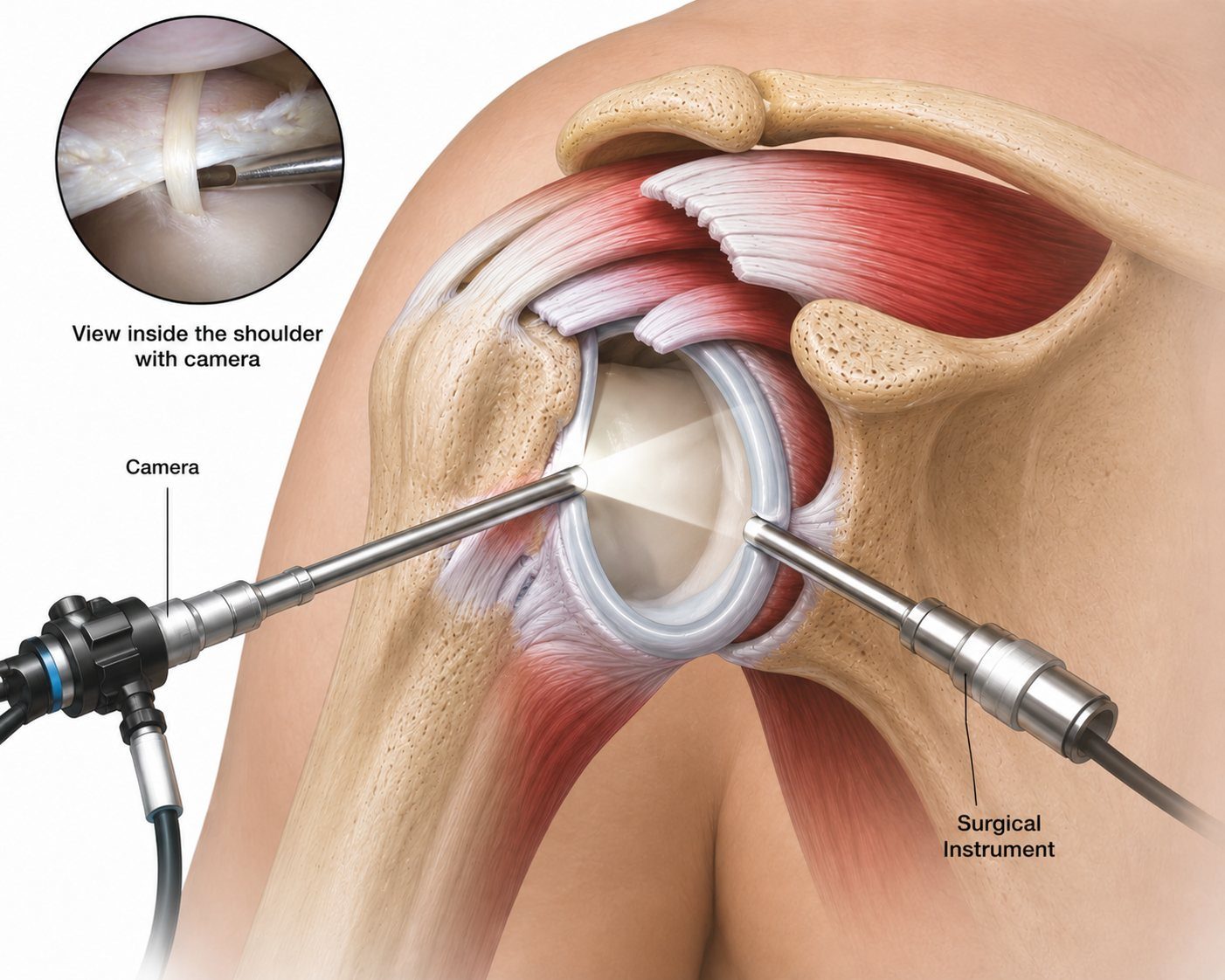
What is shoulder arthroscopy?

Shoulder arthroscopy uses a camera and small incisions to evaluate and treat selected problems inside and around the shoulder, including some rotator cuff, labrum, biceps and bursitis conditions.

When is shoulder replacement considered?

Shoulder replacement is usually considered when arthritis, fracture-related damage or selected cuff-related problems cause significant pain and functional limitation despite appropriate nonsurgical care.

Is shoulder pain coming from my neck or my shoulder?

Neck-related pain often travels past the shoulder, may include numbness or tingling, and can be affected by neck position. Shoulder pain is often worse with reaching, lifting, sleeping on that side, or overhead activity. Many patients need an exam to sort this out.

How do I know if pain is from a rotator cuff tear or arthritis?

Rotator cuff problems often cause pain with lifting away from the body, reaching overhead, night pain, or weakness. Arthritis often causes deeper joint pain, grinding, stiffness, and loss of motion. X-rays and exam findings help separate these problems.

When does a rotator cuff tear need surgery?

Surgery may be considered when there is significant weakness, traumatic tearing, persistent pain despite appropriate nonsurgical care, loss of function, or a tear pattern that is likely to worsen. Not every rotator cuff tear requires surgery.

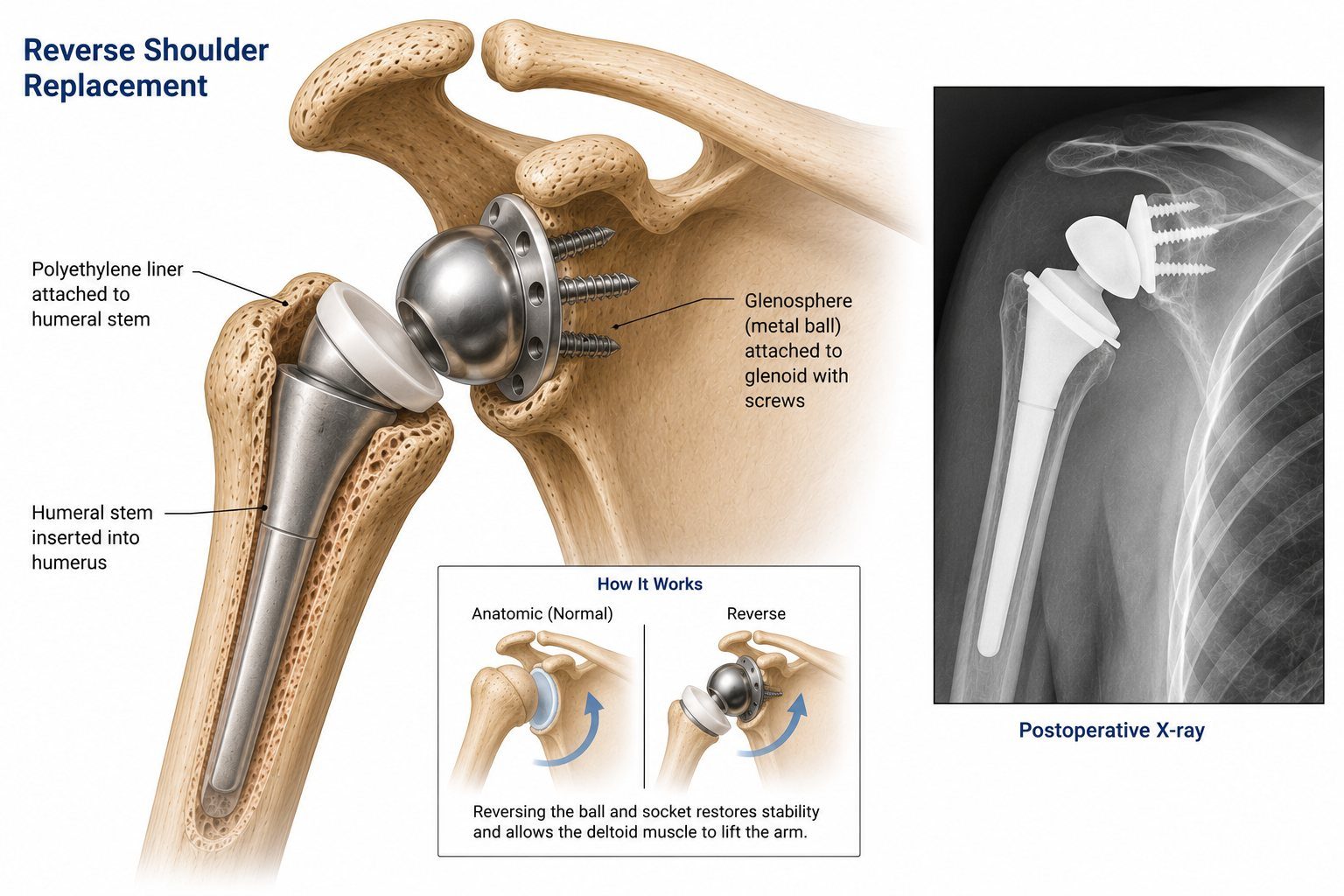
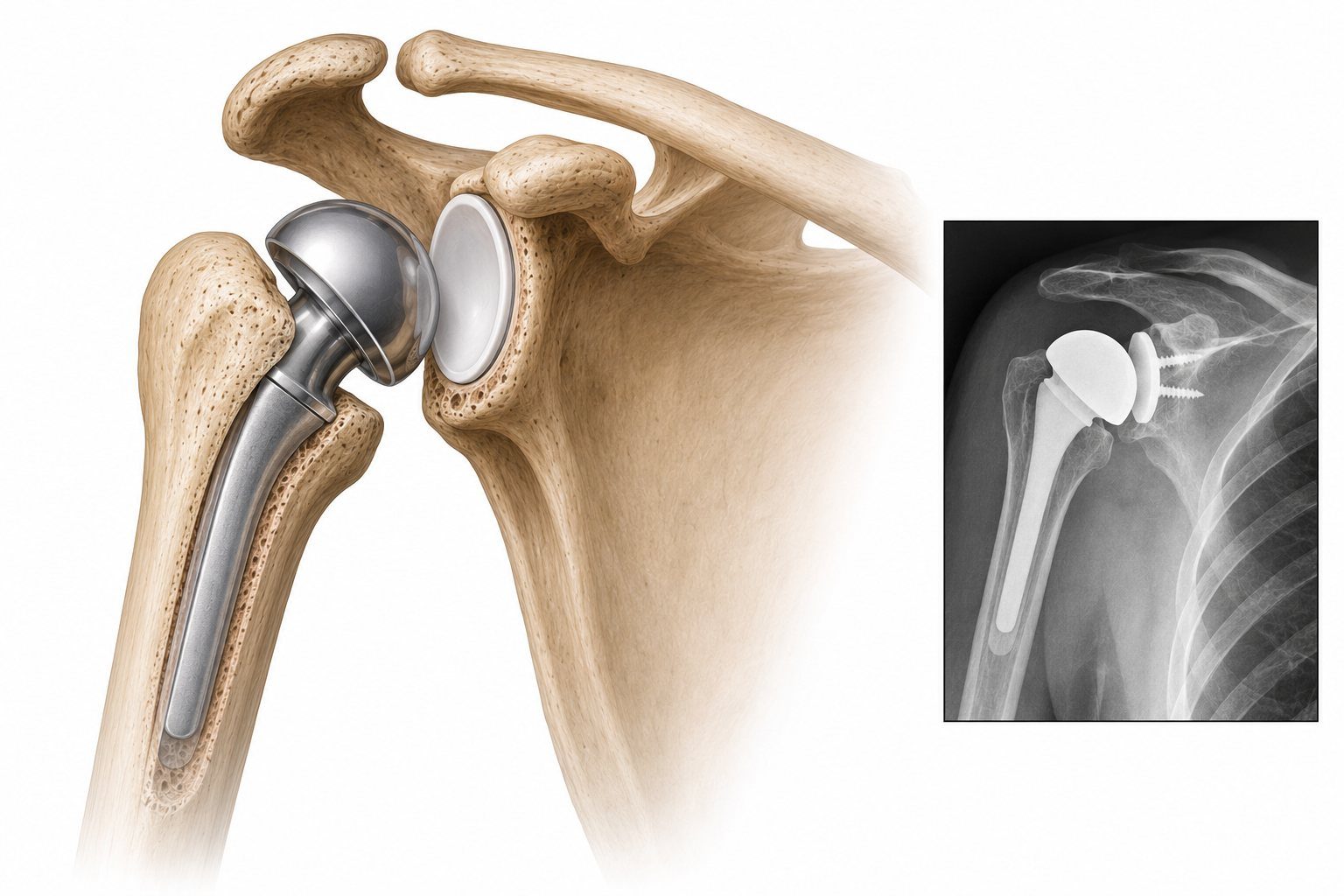
What is the difference between anatomic and reverse shoulder replacement?

An anatomic shoulder replacement relies on a functioning rotator cuff and replaces the ball and socket in a more native pattern. A reverse shoulder replacement changes the mechanics of the shoulder and may be used when the rotator cuff is not functioning well or the arthritis pattern requires it.

Why does shoulder pain often hurt more at night?

Night pain is common with rotator cuff disease, bursitis, arthritis, and inflammatory shoulder problems. Sleeping position, compression of irritated tissue, and stiffness can all make symptoms more noticeable.

What is biceps tenodesis?

Biceps tenodesis is a procedure that treats pain from the long head of the biceps tendon by moving its attachment to a more stable location. It is often considered when the biceps tendon is a major pain generator.

What is distal clavicle excision?

Distal clavicle excision removes a small portion of the end of the collarbone when the AC joint is a persistent source of pain. It may be considered for selected patients with AC joint arthritis or injury-related AC joint pain.

Need help with shoulder pain?

Schedule a focused shoulder evaluation with Dr. Barnes in Lake Havasu City.

📅