Recovery Is More Than Healing. It's Getting Back To Life.
Whether you're recovering from surgery, returning to sport, or rebuilding strength after an injury, recovery should be guided by clear goals and a structured plan.
Clear milestonesProgress based on function, not just the calendar.
Strength progressionRebuild tissue capacity with controlled loading.
Return to activityPrepare for the demands of sport, work and life.
Team approachPhysician, therapist, trainer and patient aligned.
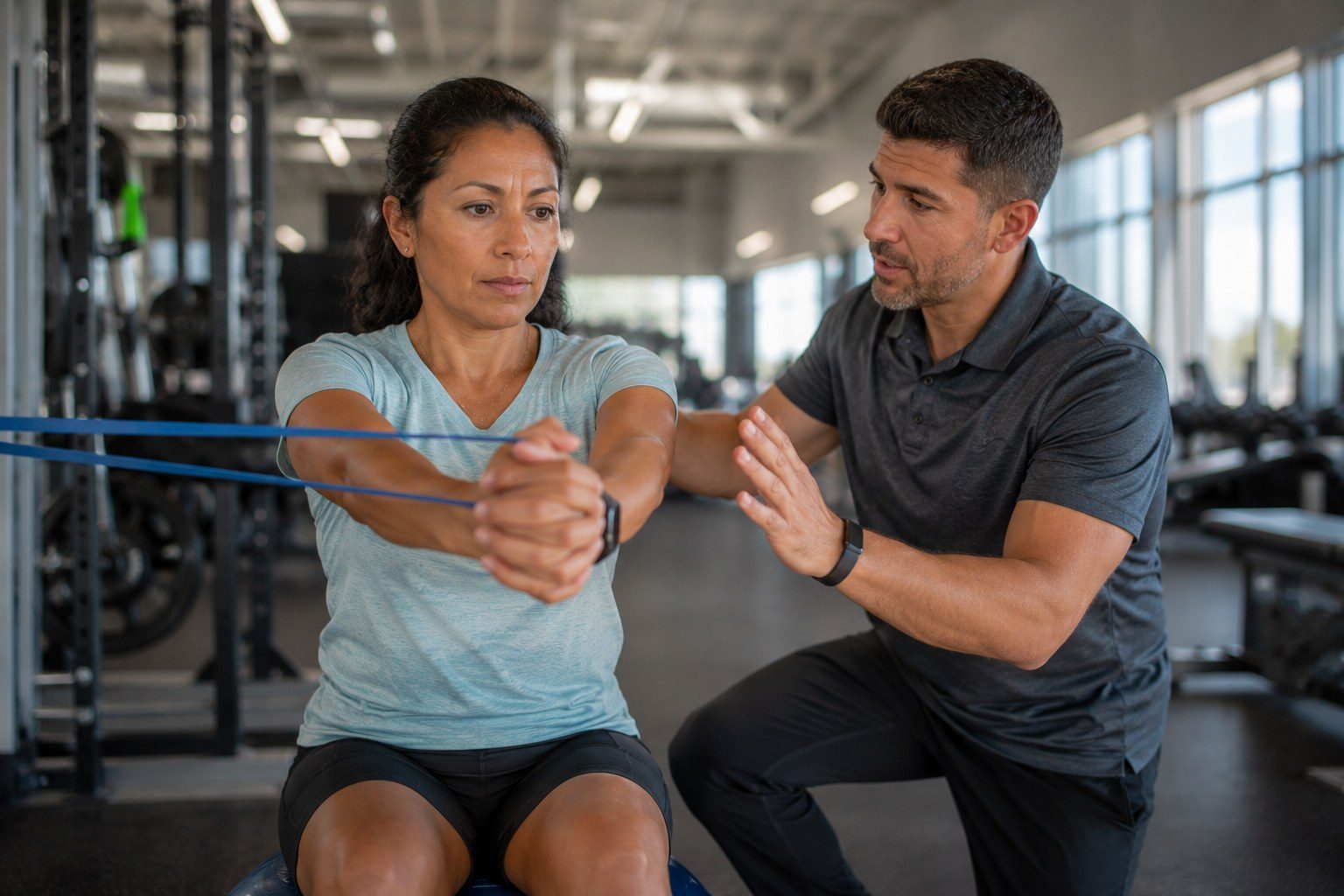
The recovery journey.
Most recovery plans move through the same broad stages. The details depend on the diagnosis, tissue involved, treatment selected and your goals.
Diagnosis
Identify the injured tissue, the severity of the injury and what activities are safe right now.
Treatment
Choose the right plan: activity modification, medication, therapy, injection treatment or surgery when appropriate.
Rehabilitation
Restore motion, strength, control, endurance and confidence through progressive loading.
Return to Activity
Use milestones and sport-specific progression before returning to full speed, impact or competition.
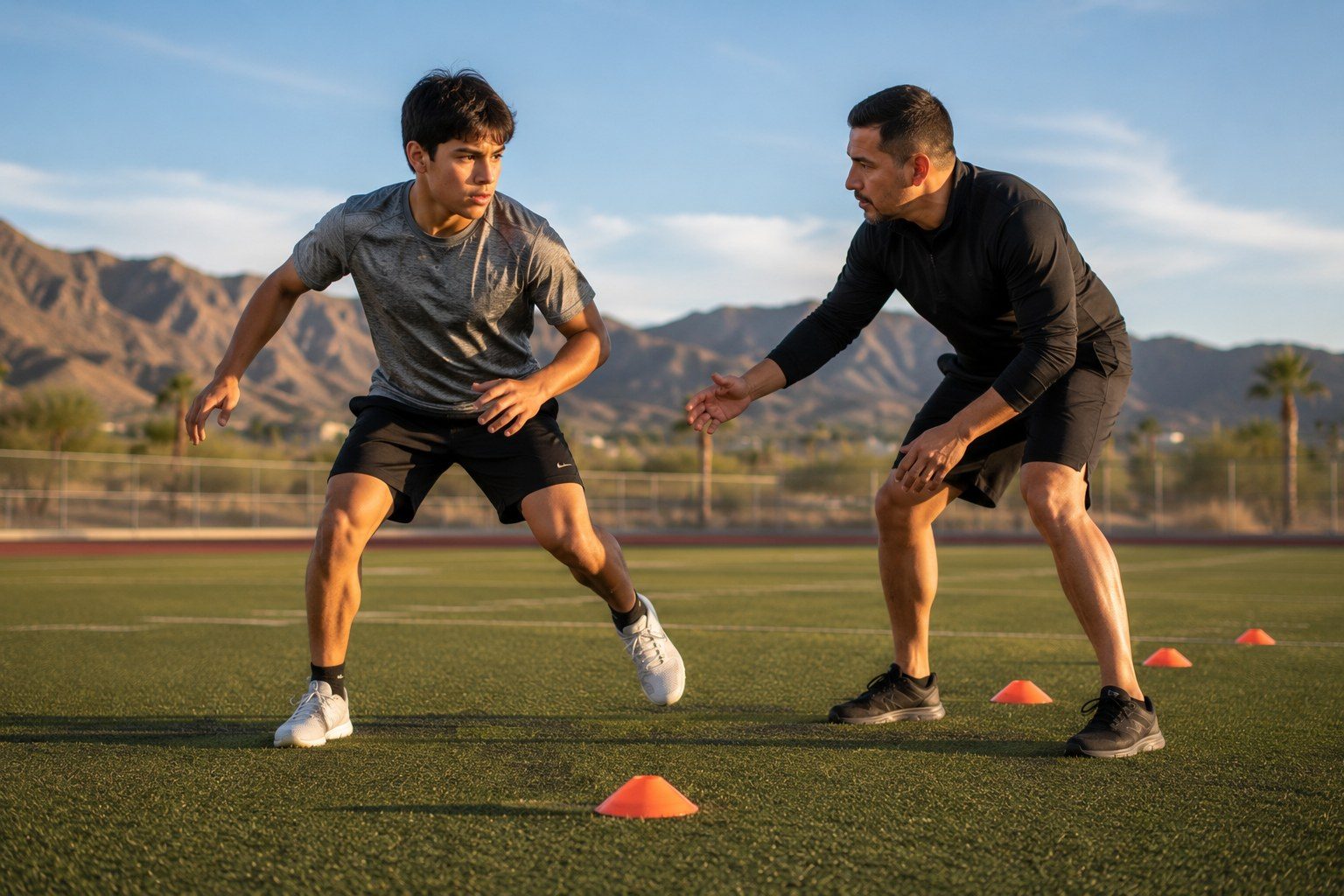
Return to sport should be earned, not guessed.
Pain relief is only one part of recovery. Athletes also need strength, control, endurance, confidence and the ability to tolerate the specific demands of their sport.
- Progress from basic strength to sport-specific movement.
- Test cutting, jumping, deceleration, throwing or overhead activity when relevant.
- Watch for unsafe compensation, swelling, instability or loss of confidence.
- Coordinate return-to-play expectations with therapy, trainers and coaches.
Physical therapy is where recovery becomes movement.
A good therapy plan turns the diagnosis into a progression. The goal is not simply doing exercises. The goal is restoring the capacity to move, lift, reach, run, jump, throw, work and train safely.
- Mobility restoration without forcing irritated tissue.
- Progressive strengthening based on tissue tolerance.
- Functional movement patterns for daily life and sport.
- Clear communication when progress stalls or symptoms change.
Recovery basics that matter.
These are the boring fundamentals that often determine whether recovery moves forward or keeps stalling.
Sleep
Sleep supports tissue repair, hormone regulation, pain control and nervous system recovery.
Protein & Nutrition
Recovery is a rebuilding process. Avoid aggressive dieting during demanding rehabilitation unless medically directed.
Hydration
Lake Havasu heat makes hydration more important. Dehydration can worsen fatigue, cramps and training quality.
Mobility
Restore safe motion gradually. More stretching is not always better if tissue still needs protection.
Strength
Progressive loading rebuilds capacity. Too little loading delays progress; too much can cause setbacks.
Milestones
Return to sport should follow strength, motion and function milestones, not calendar time alone.
Symptom Control
Swelling, irritation and pain spikes should guide modifications before they become setbacks.
Confidence
Trust in the injured body part is part of recovery, especially with cutting, jumping, overhead sport and return to contact.
Recovery resources by goal.
Use these topics to guide the next layer of patient education as the website grows.

Recovery between training sessions.
For many active patients, recovery fails because the injured area never gets a chance to calm down. The goal is not doing nothing. The goal is matching the training load to the stage of healing.
- Use mobility work to maintain motion without forcing pain.
- Scale intensity when swelling, limping or mechanics worsen.
- Build volume before speed, speed before competition, and competition before maximal performance.
- Keep the rest of the body conditioned when it is safe to cross-train.

The goal is getting back to your life.
Less pain matters, but the real goal is returning to hiking, golf, pickleball, watersports, fitness, work, family activities and the parts of life that make Lake Havasu feel like home.
Recovery FAQ.
Should I rest completely after an injury?
Sometimes short-term rest is appropriate, but complete rest for too long can cause stiffness, deconditioning and delayed recovery. Most plans use relative rest: protect the injury while keeping safe movement.
How do I know if I am doing too much?
Warning signs include worsening swelling, limping, loss of motion, increasing night pain, instability, weakness that changes mechanics or pain that is worse the next day instead of settling down.
When should physical therapy start?
Timing depends on the diagnosis and treatment. Some injuries benefit from early therapy; others require a protection period first. After surgery, follow the specific protocol provided.
Can I keep training while I recover?
Often yes. Safe cross-training can maintain conditioning while protecting the injured tissue. The best option depends on the injury, stage of healing and symptoms.
What slows recovery?
Poor sleep, inadequate nutrition, nicotine, uncontrolled medical conditions, overtraining, skipped therapy and returning too quickly can all slow recovery.
When can I return to sport?
Return should be based on diagnosis, healing, strength, motion, sport-specific control and confidence. Calendar time alone is not enough.
Need a recovery plan?
Start with a diagnosis, then build a plan that fits your sport, lifestyle and goals.