Athlete Performance & Injury Prevention Guide
Common-sense guidance from Dr. Barnes for athletes, weekend warriors and active adults before, during and after activity.
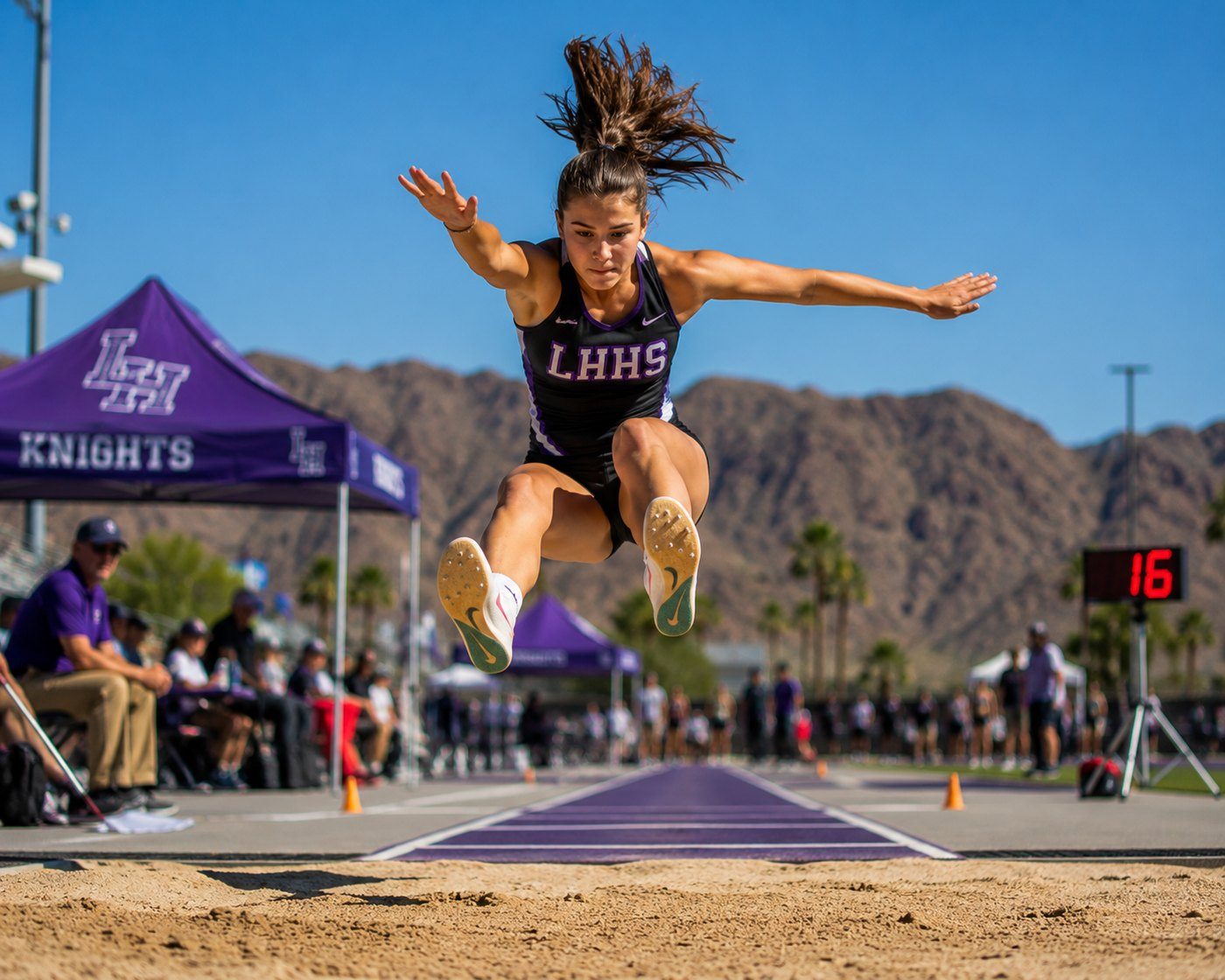
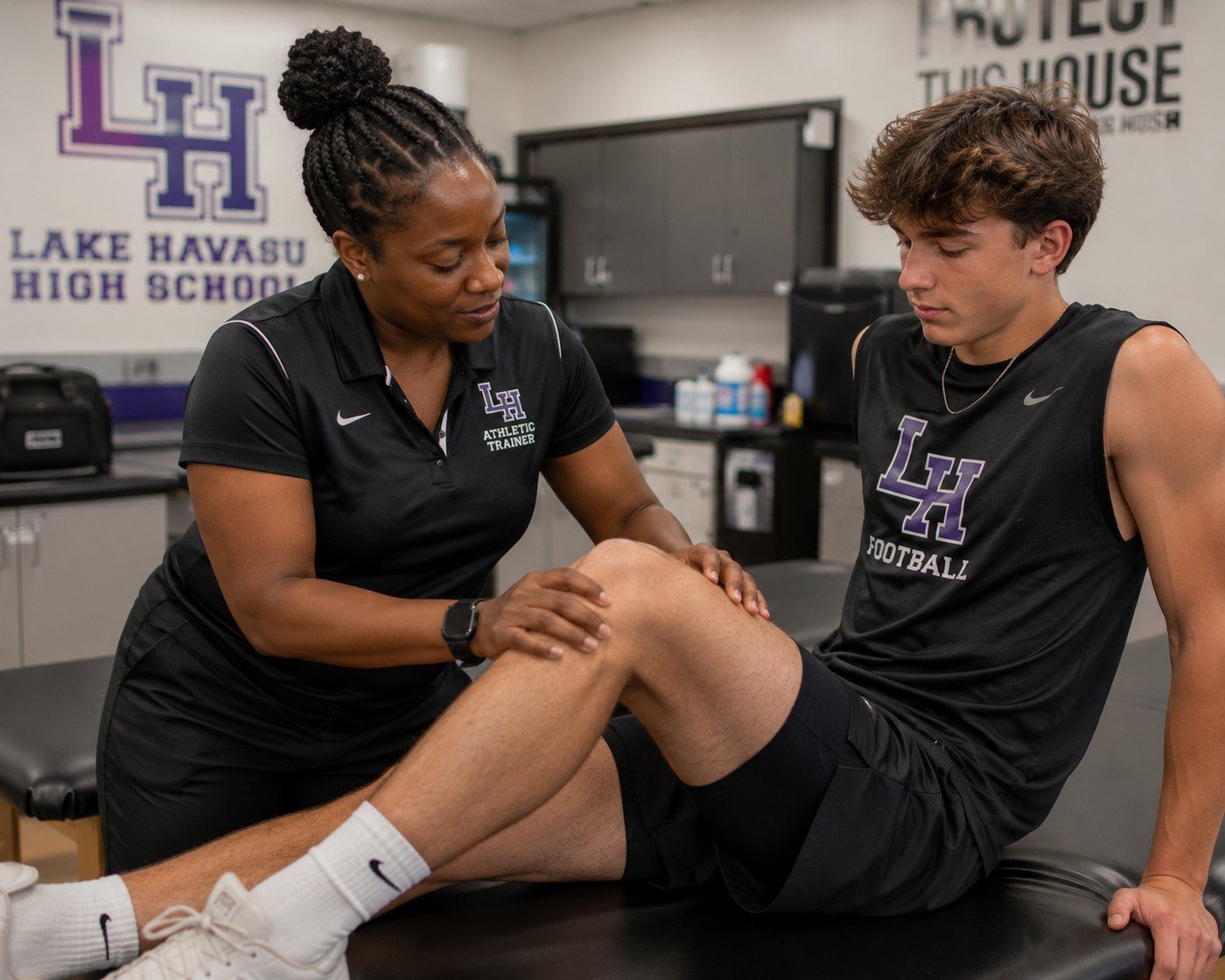
Before activity.
The goal is to prepare tissue, joints and the nervous system for the sport you are about to perform.
Warm up gradually
Start with light movement, then add sport-specific drills. A good warm-up should raise heart rate and improve motion before maximum effort.
Prioritize mobility
Focus on hips, ankles, shoulders and thoracic spine. Stiffness in one area often increases stress elsewhere.
Hydrate for the desert
Lake Havasu heat can turn a normal workout into a dehydration event. Begin hydrated and plan fluids before you need them.
Use the right equipment
Appropriate shoes, braces, helmets, life jackets and sport-specific gear reduce risk and improve performance.
During activity.
- Respect sharp pain, instability, swelling or sudden weakness.
- Do not ignore a pop followed by swelling or inability to continue.
- Use planned breaks in heat, especially for youth athletes and active older adults.
- Modify volume before symptoms become a shutdown problem.
- Technique matters: fatigue often creates poor mechanics and higher injury risk.

After activity.
Recovery begins when the workout ends.
Cool down
Light movement after heavy effort helps transition the body out of high output and can reduce stiffness.
Refuel
Protein, carbohydrates and fluids support recovery after training, competition or surgery rehab.
Manage symptoms
Ice, compression, elevation and activity modification can help short-term irritation. Persistent swelling deserves evaluation.
Track trends
One bad workout is less important than a pattern: increasing pain, decreasing performance or symptoms that last longer each time.
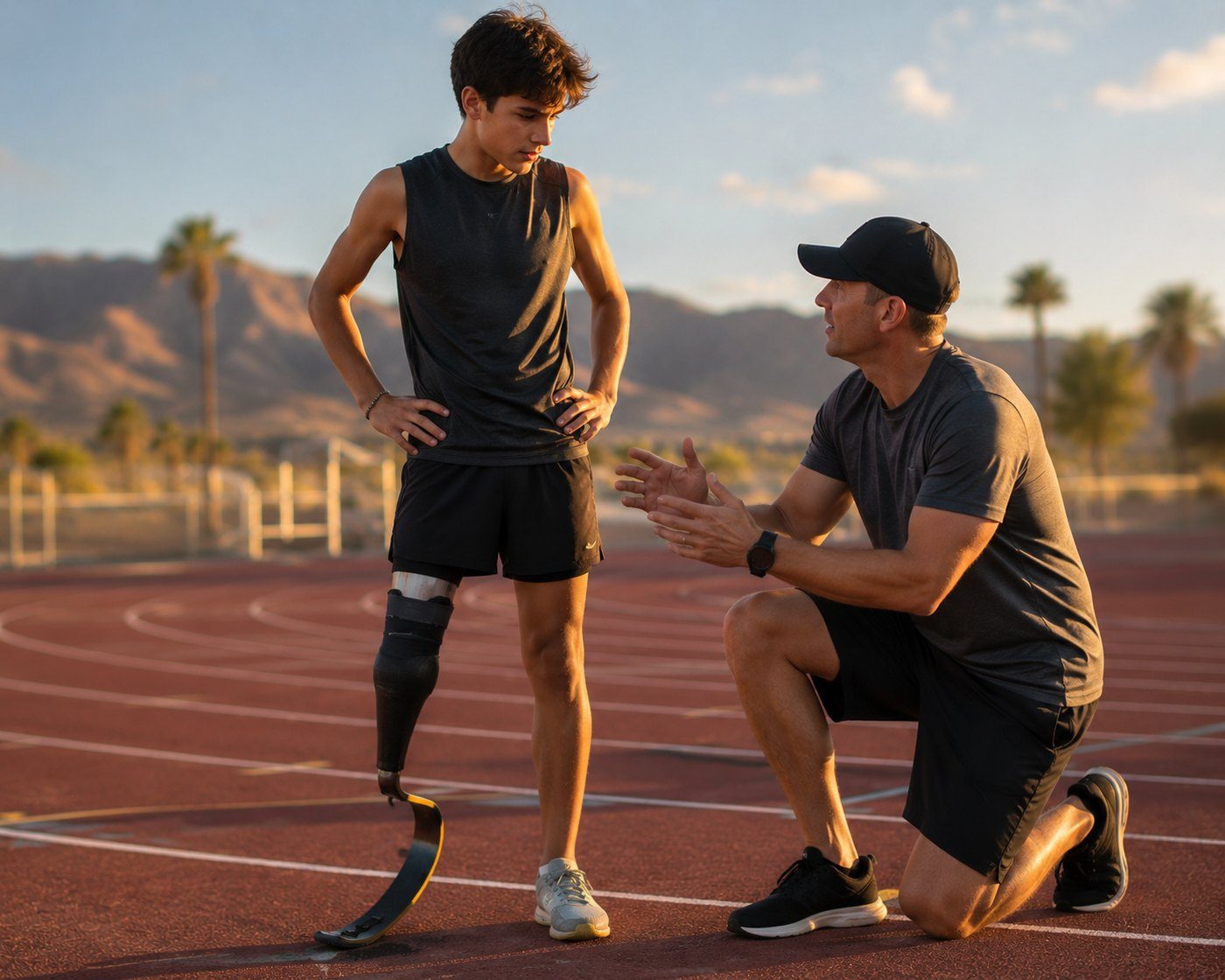
Build back with purpose, not just patience.
A safe return is based on motion, strength, control, confidence and sport-specific demands—not simply the number of days since an injury. Increase one variable at a time and pay attention to how the body responds afterward.
When to stop and get evaluated.
Have a sports injury question?
When symptoms persist or performance drops, get a diagnosis and a plan.